
Rungwe Village and Mountain
Overview
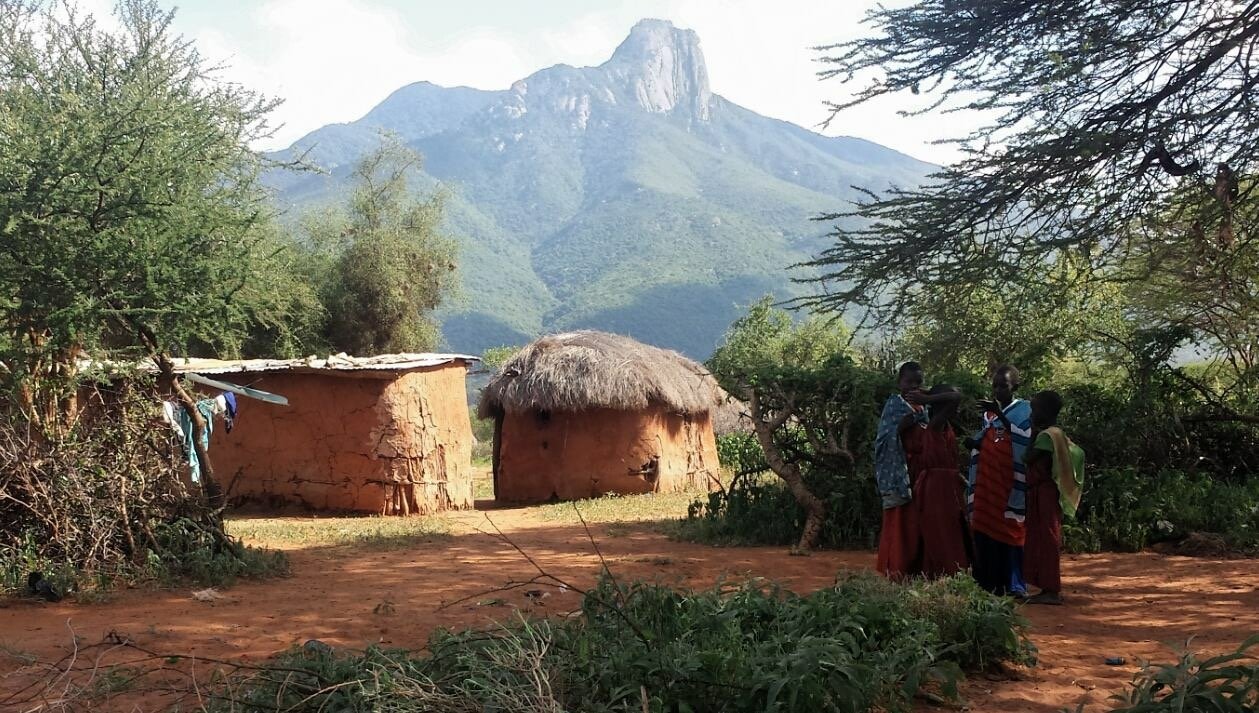
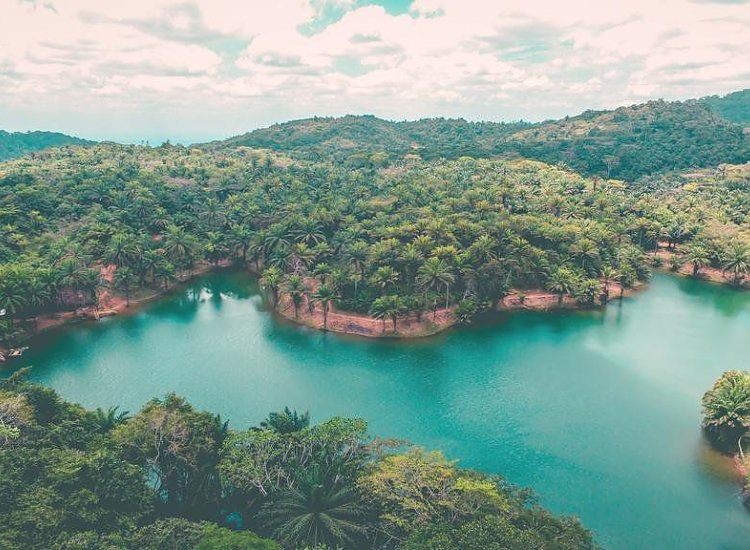
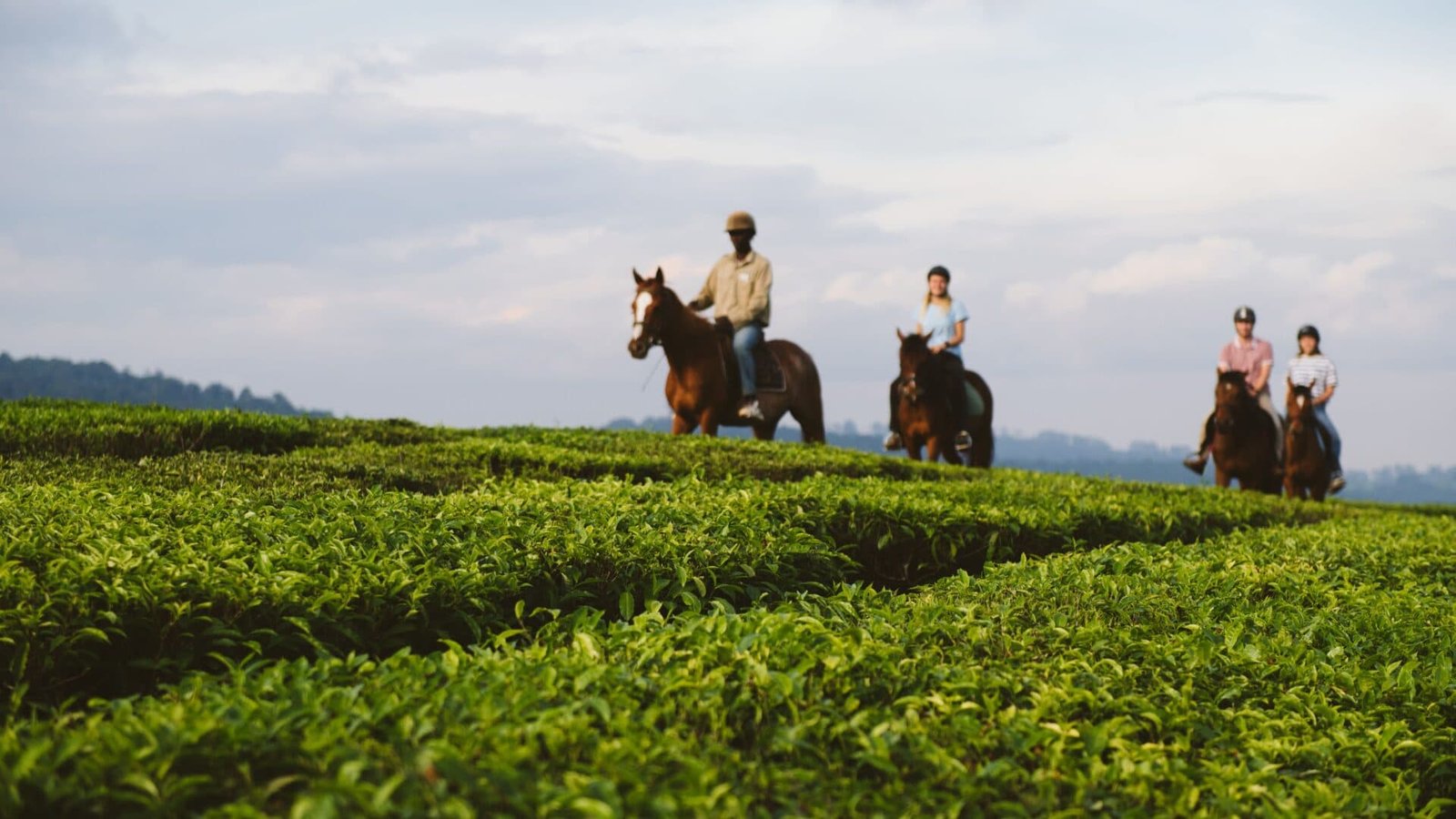
Rungwe Village is located in the Mbeya Region of southern Tanzania, at the foothills of the Rungwe Mountain. The area is part of the Rungwe Highlands, known for its fertile volcanic soils, abundant rainfall, and cool climate, making it ideal for agriculture and rich biodiversity. The region is famous for tea and banana plantations, forest reserves, and scenic landscapes, attracting travelers who enjoy nature, hiking, and rural cultural experiences.
Rungwe Mountain
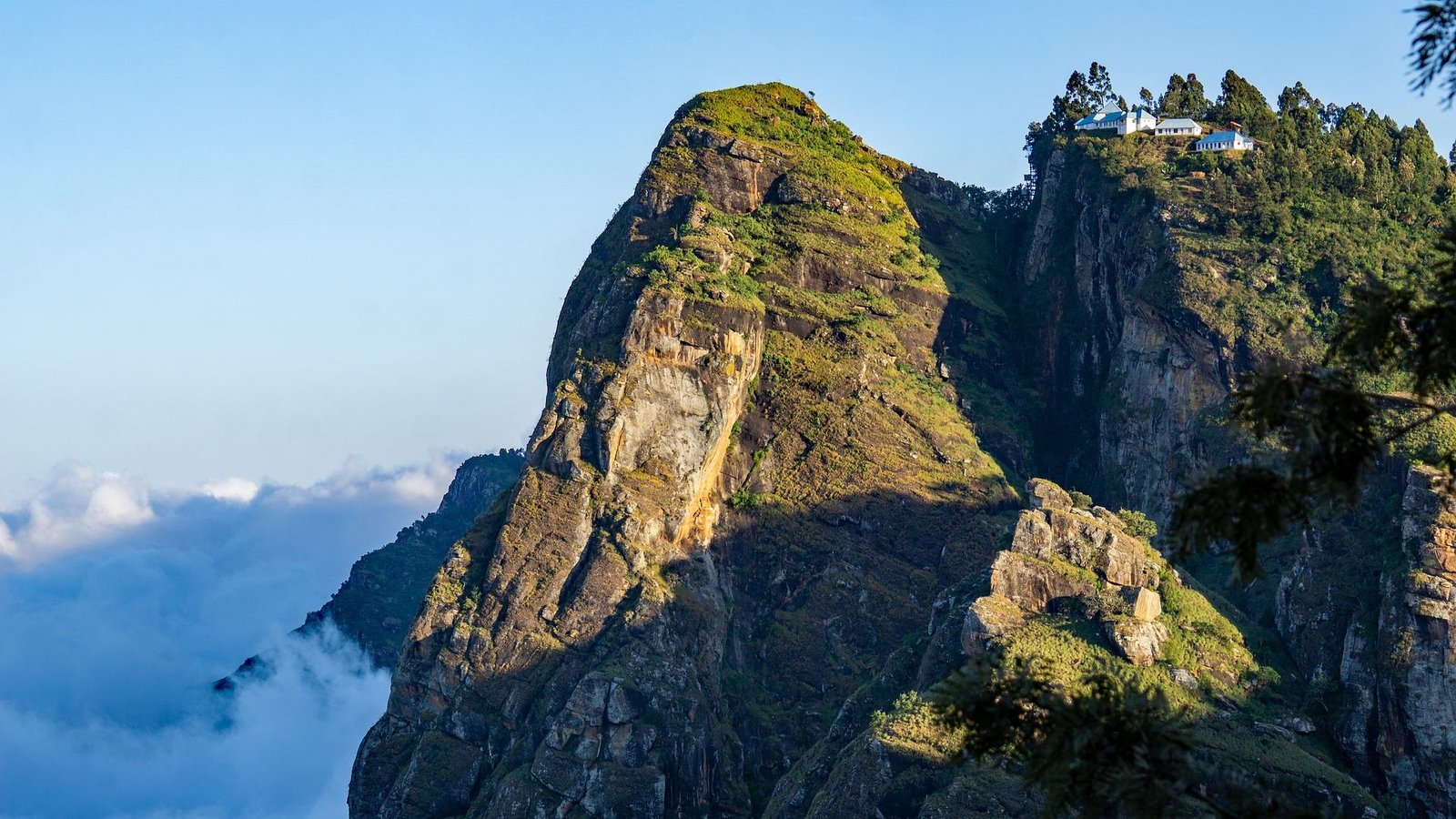
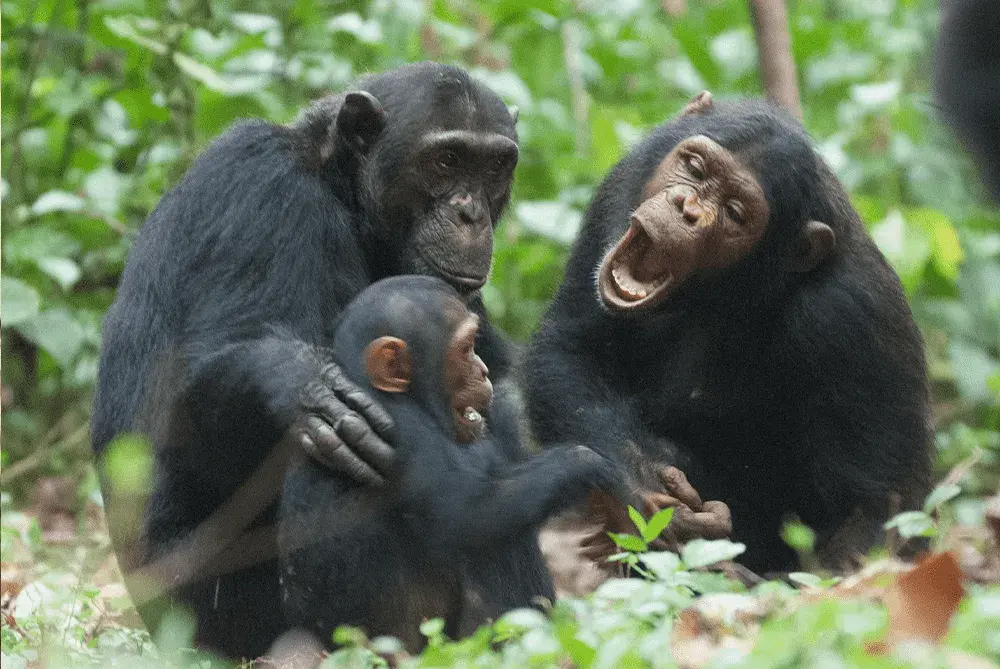
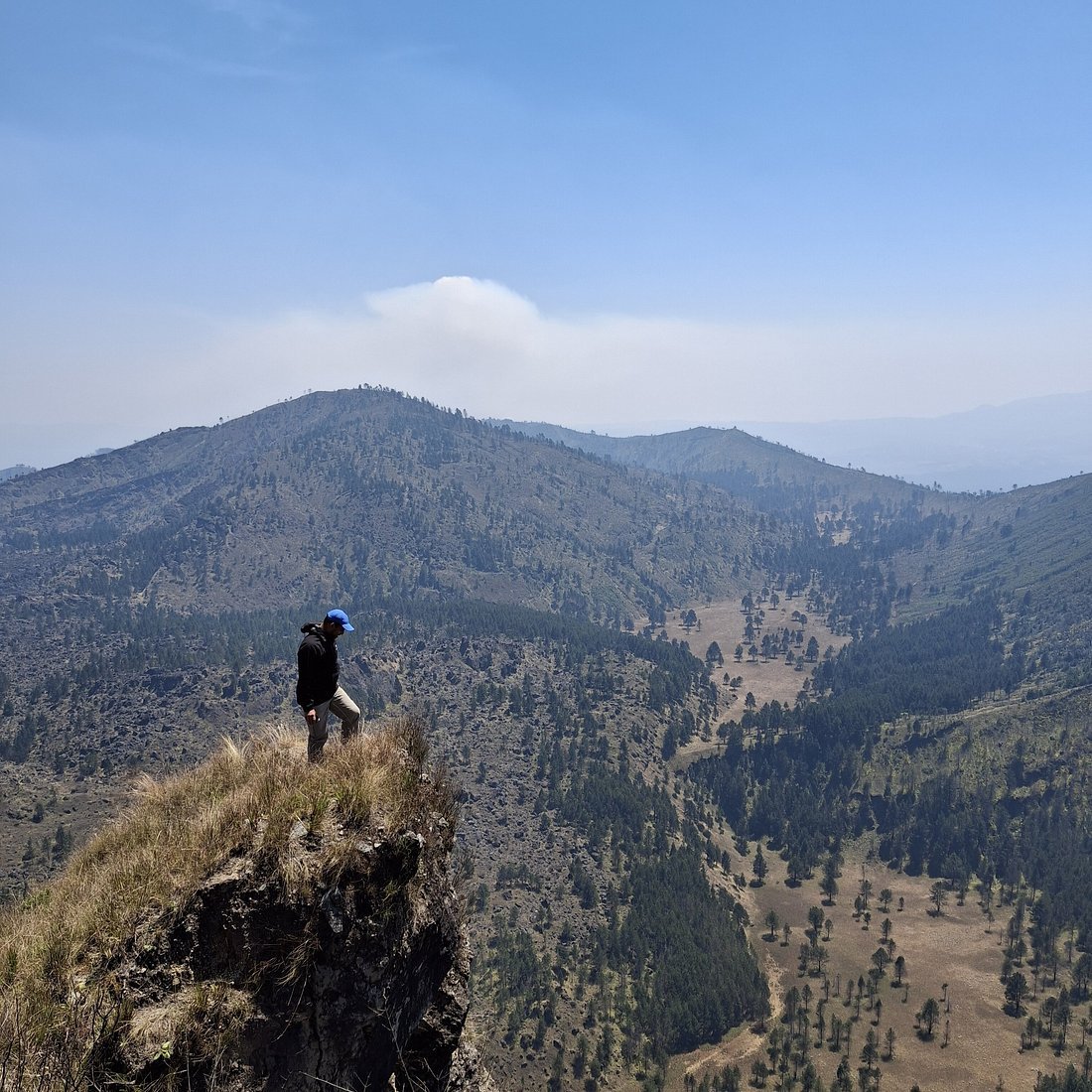
Rungwe Mountain is an extinct volcanic peak reaching an elevation of approximately 2,961 meters. It forms part of the Eastern Arc Mountains, a biodiversity hotspot with lush montane forests, bamboo thickets, and unique wildlife. The mountain and its surroundings are home to endemic bird species, primates such as the Udzungwa red colobus, and diverse plant life.
Places to Visit
Kiwira Tea Estates – Explore lush tea plantations and experience local tea production.
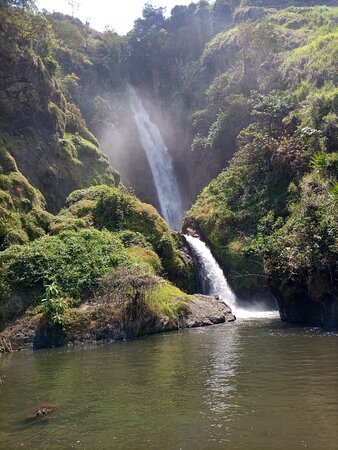
Rungwe Forest Reserve – Hike through montane forests, spot wildlife, and enjoy waterfalls and streams.
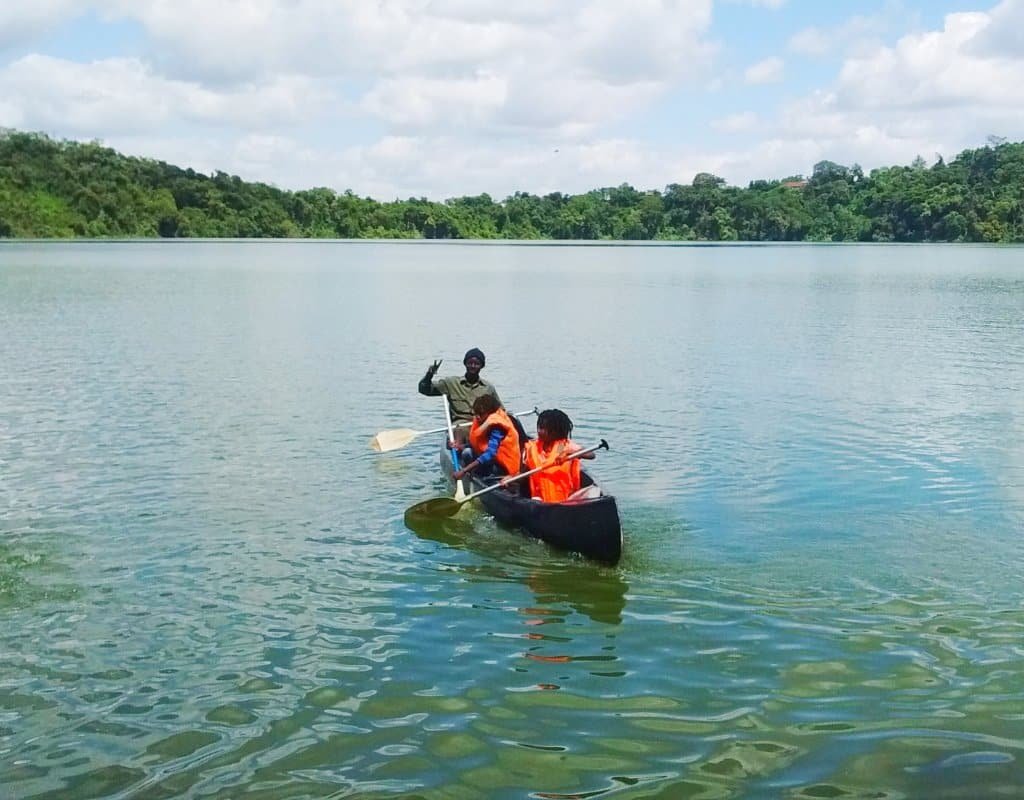
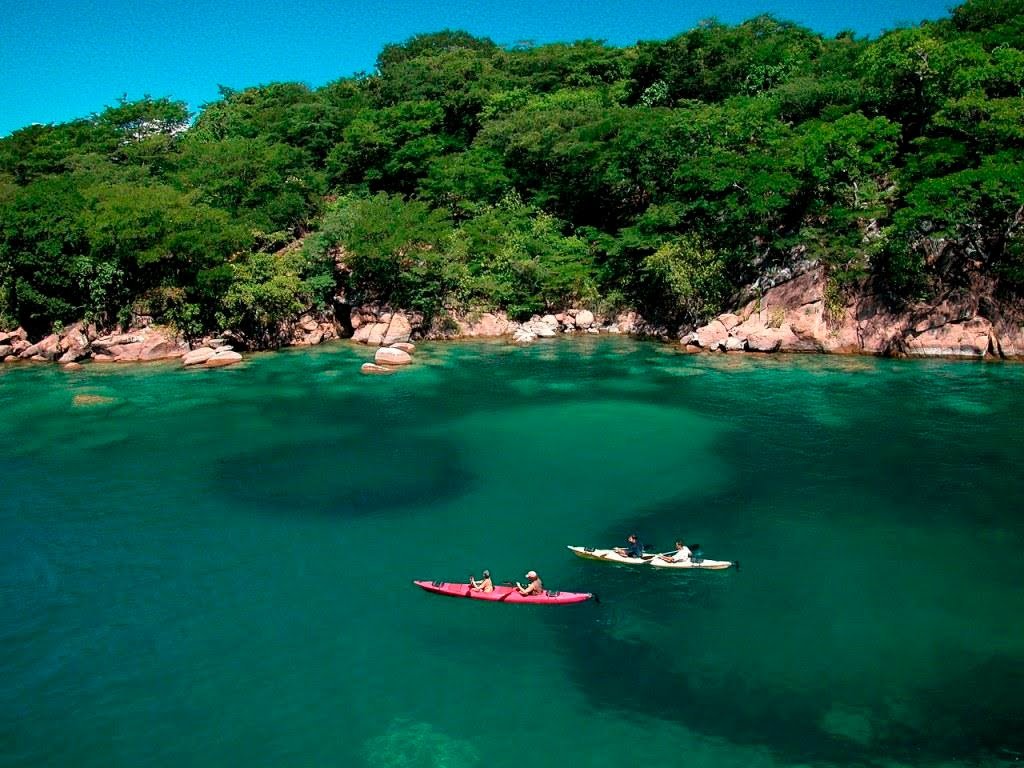
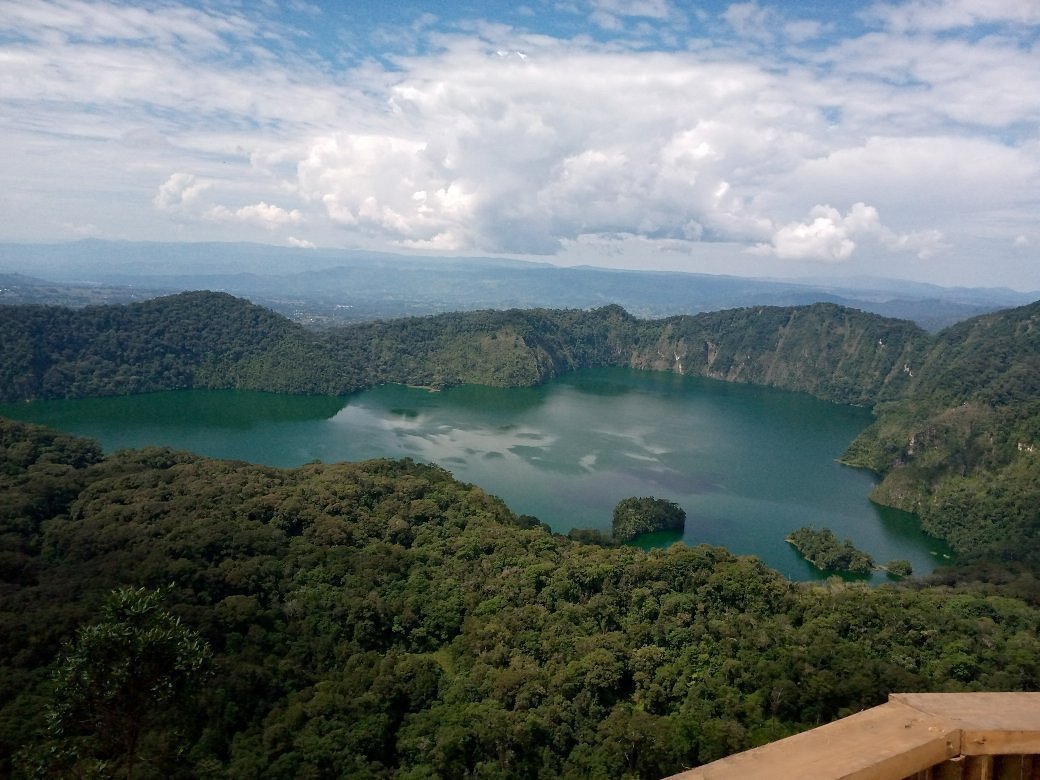
Lake Ngozi Crater Lake – A beautiful volcanic crater lake located on Rungwe Mountain, perfect for photography and nature walks.
Hot Springs – Relax in natural hot springs near Rungwe Village, a result of the volcanic activity in the region.
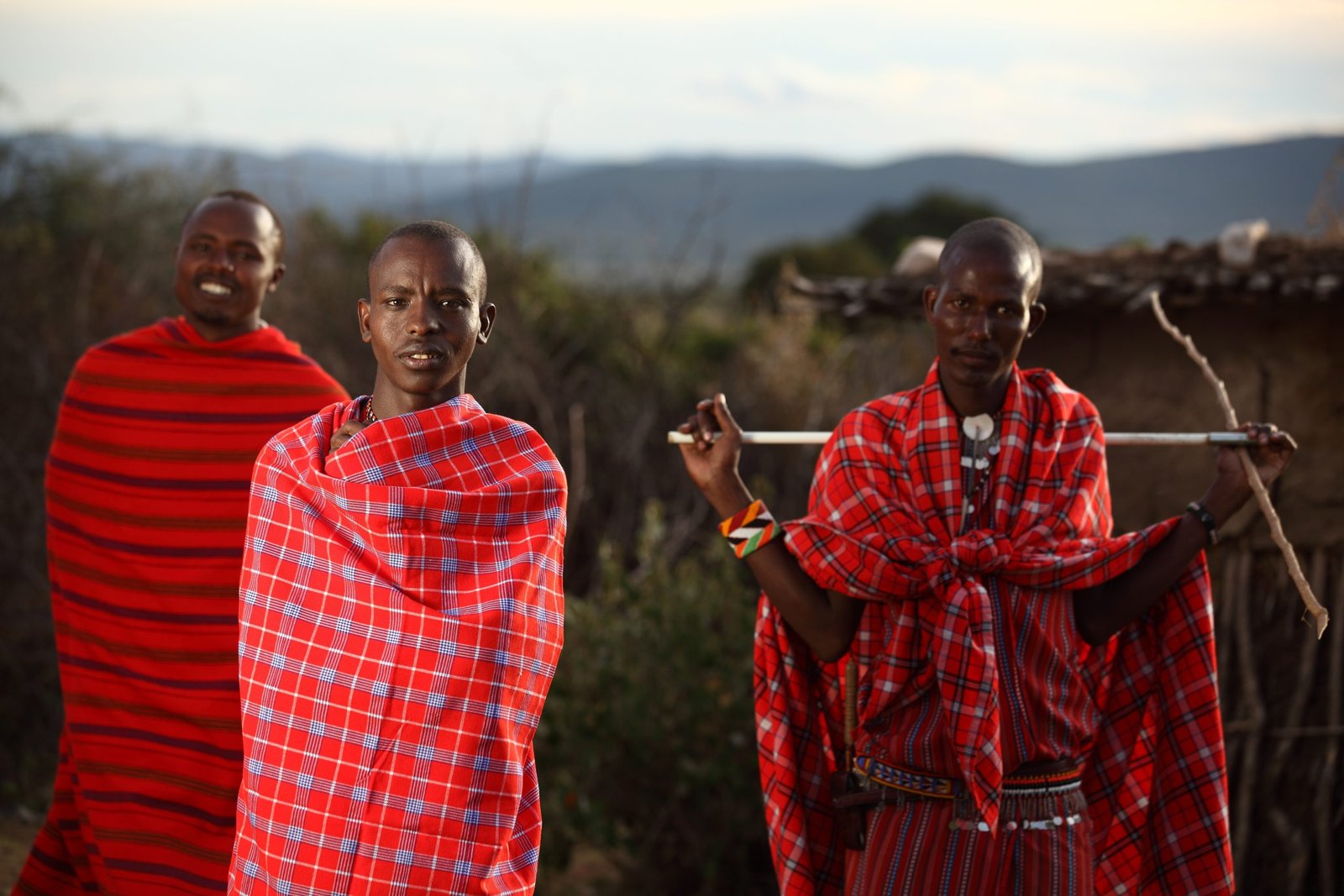
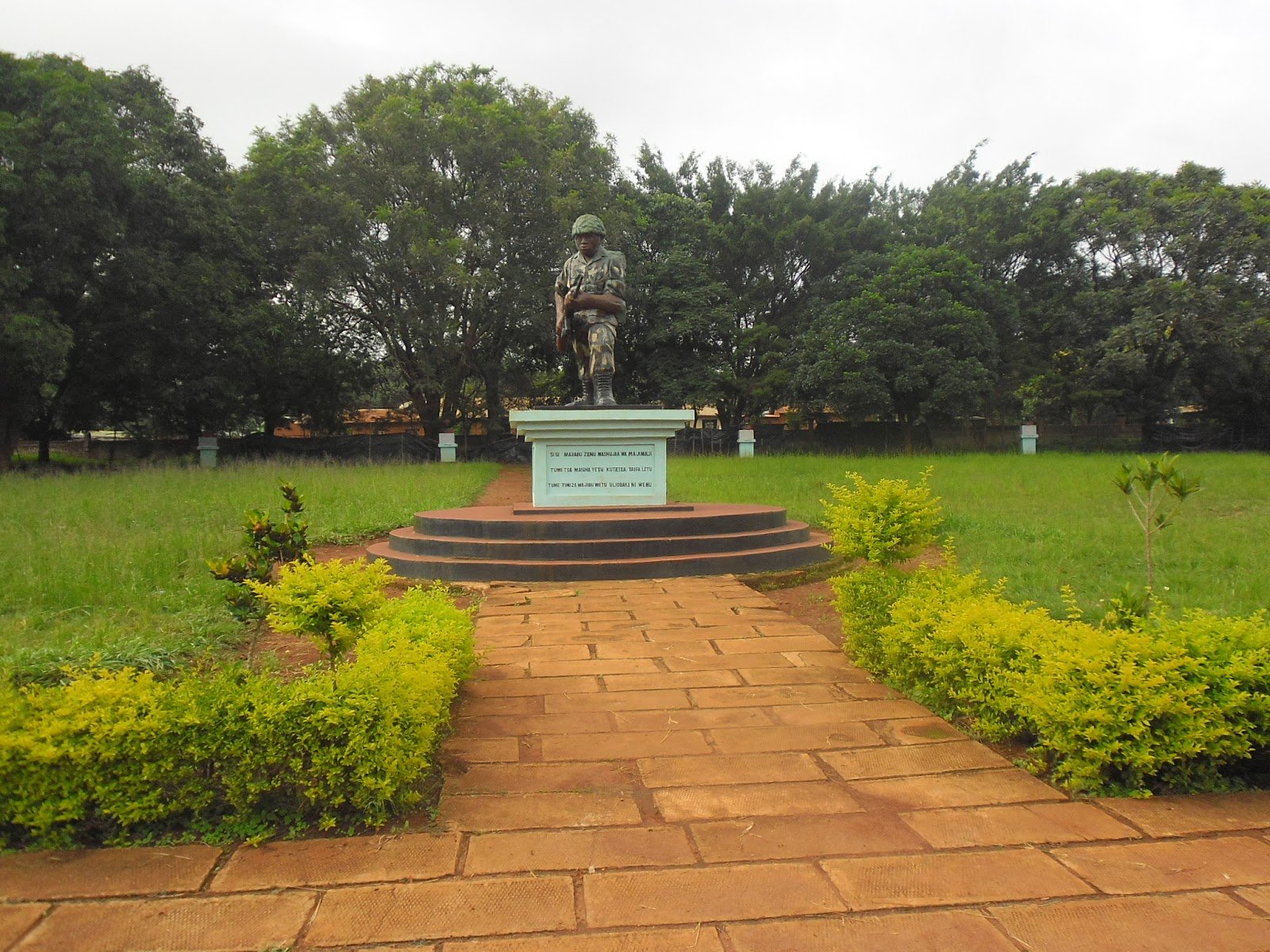
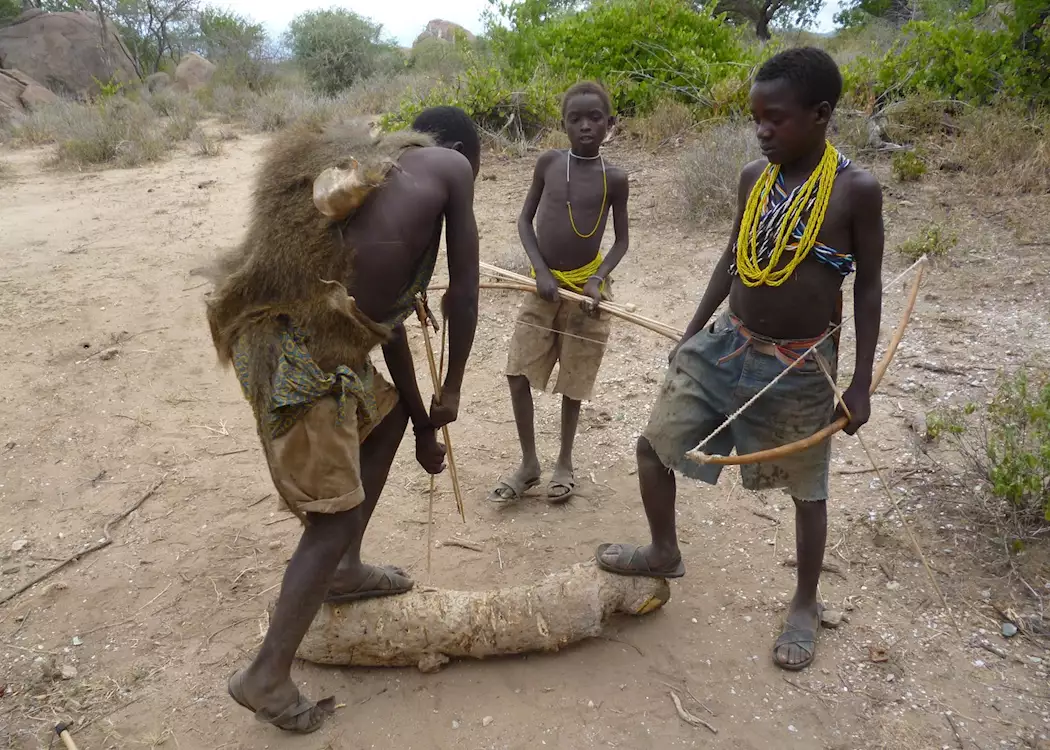
Local Villages – Visit traditional communities to experience the culture, agriculture, and daily life of the local people.
Activities
Hiking and Trekking – Ascend Rungwe Mountain or explore the highlands for scenic views and wildlife spotting.
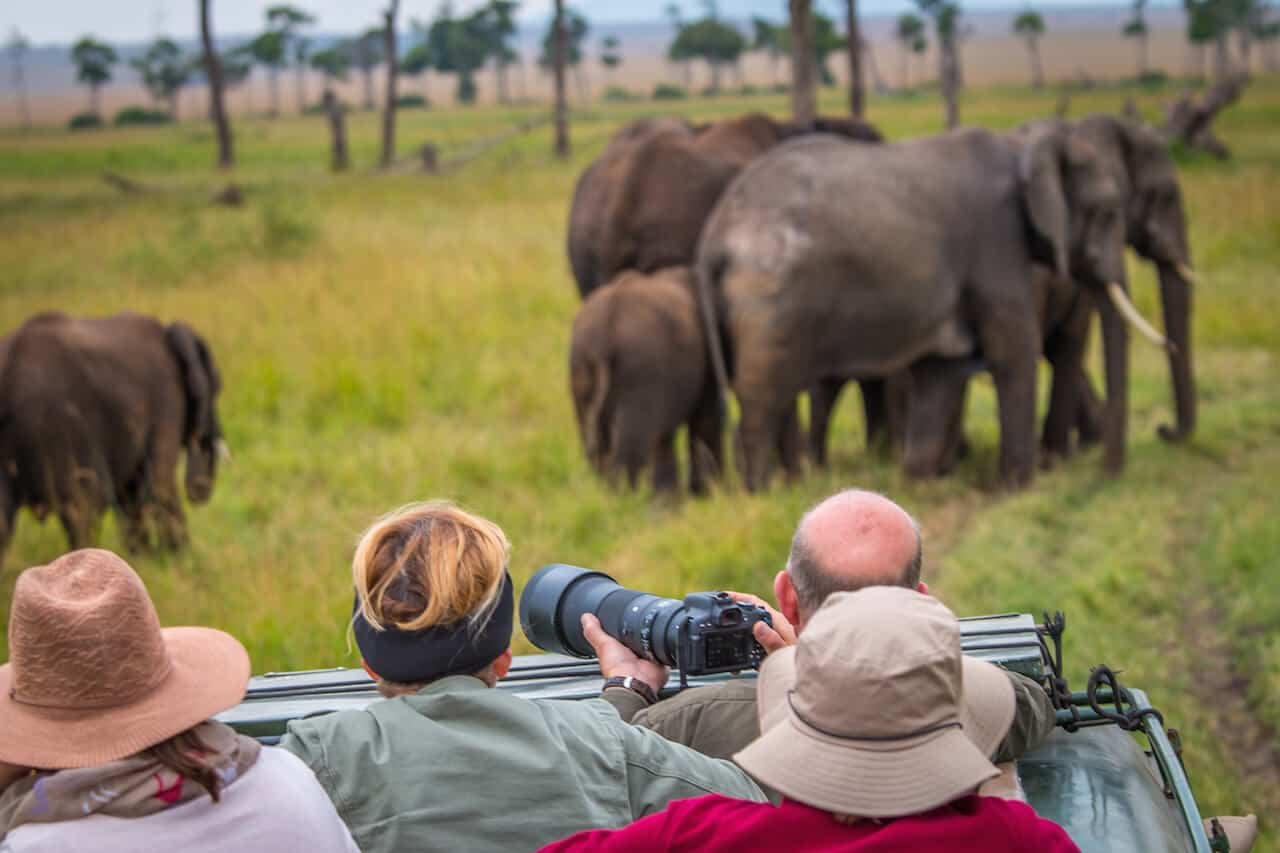
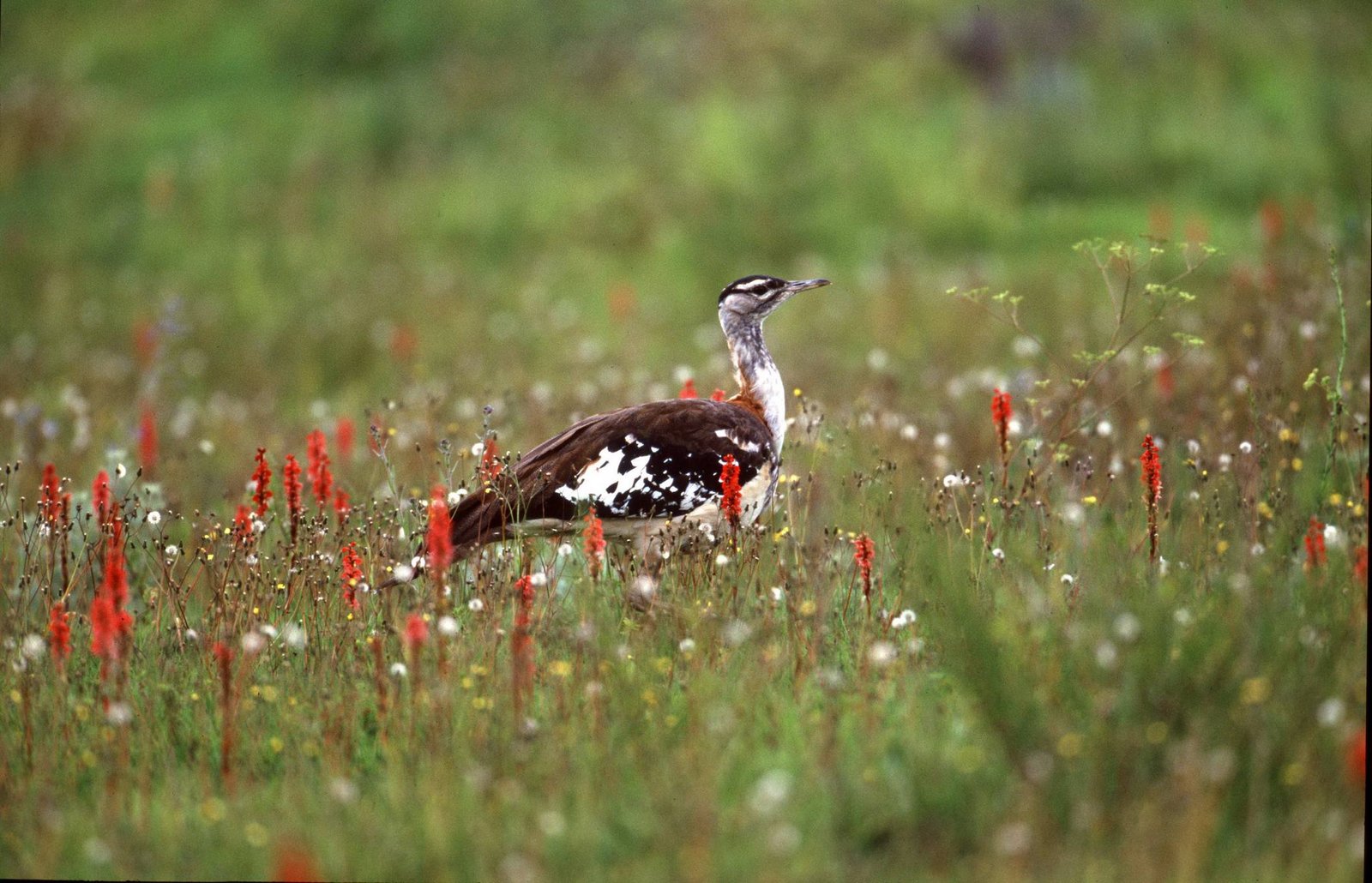
Birdwatching – Observe endemic and rare bird species in the forest reserves.
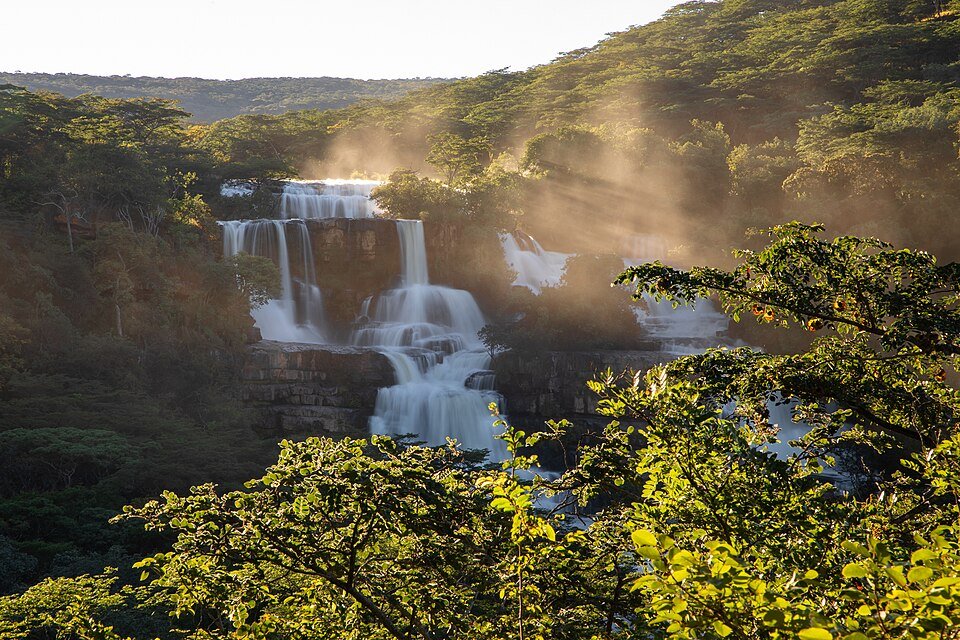
Nature Walks – Discover waterfalls, crater lakes, and volcanic landscapes in the Rungwe Highlands.
Cultural Tours – Engage with local communities and learn about traditional farming and handicrafts.
Photography – Capture stunning landscapes, montane forests, and panoramic views of the highlands.
Best Time to Visit
The ideal time to visit Rungwe Village and Rungwe Mountain is during the dry seasons, from June to October and January to February, when hiking trails are accessible, and the weather is clear for exploring forests, crater lakes, and plantations. The rainy seasons (March to May and November to December) bring lush greenery but can make trails slippery.
Gallery
Related Destinations