

Usambara mountain
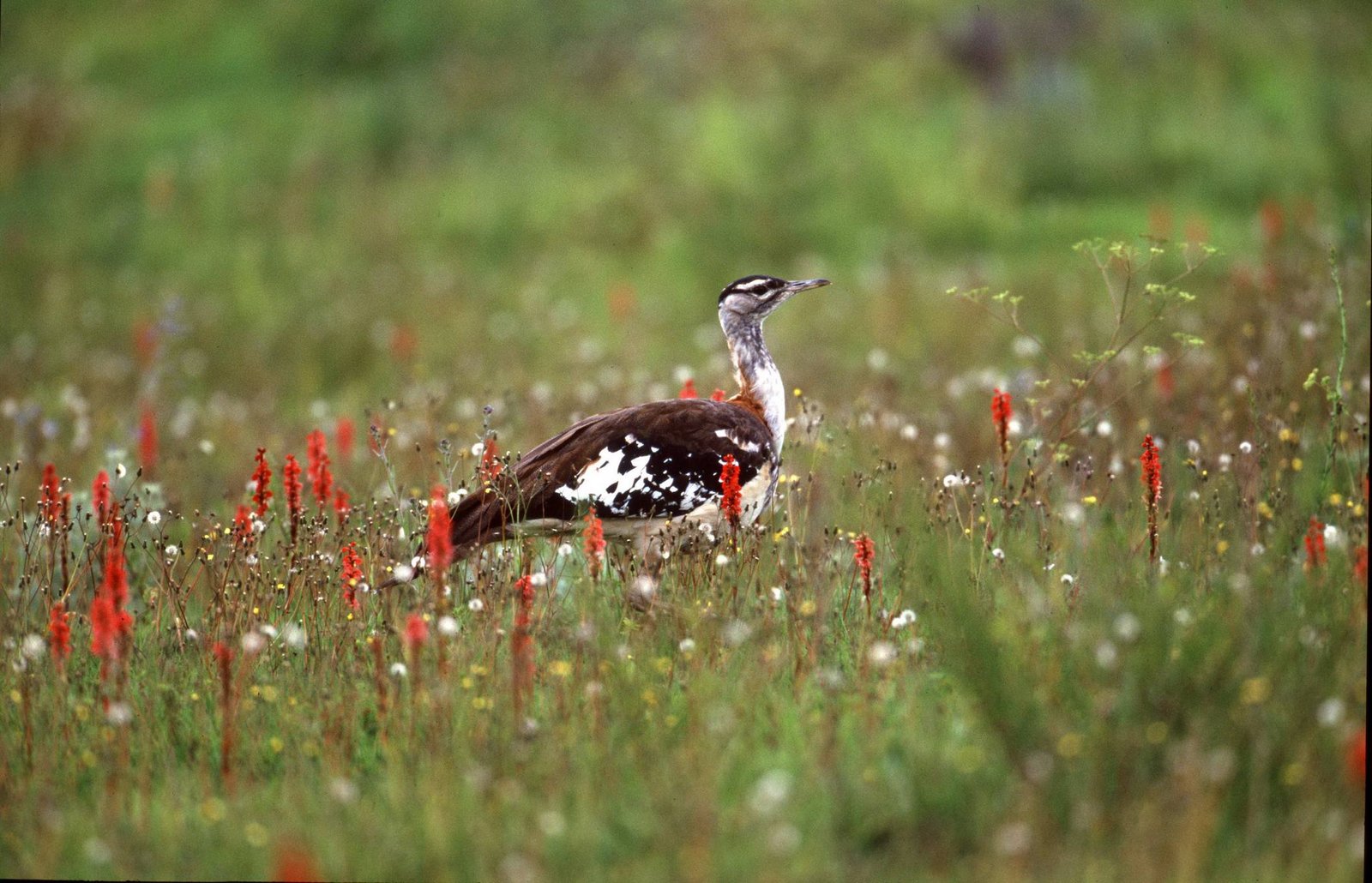
The Usambara Mountains are a true birdwatcher’s paradise, home to an exceptional diversity of flora and fauna, many of which are found nowhere else on Earth. Characterized by picturesque villages, vibrant local markets, and lush plantations, this scenic highland region offers a refreshing escape from the bustle of major cities and the intensity of Tanzania’s renowned game parks.
Landscape and products of Usambara
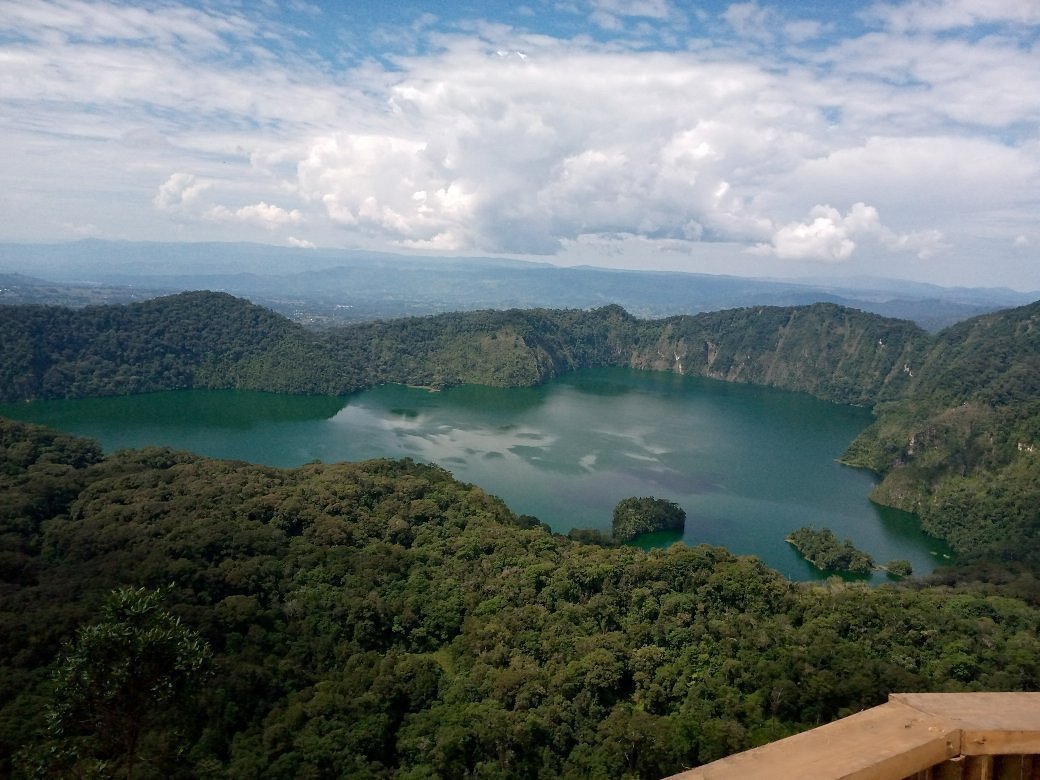
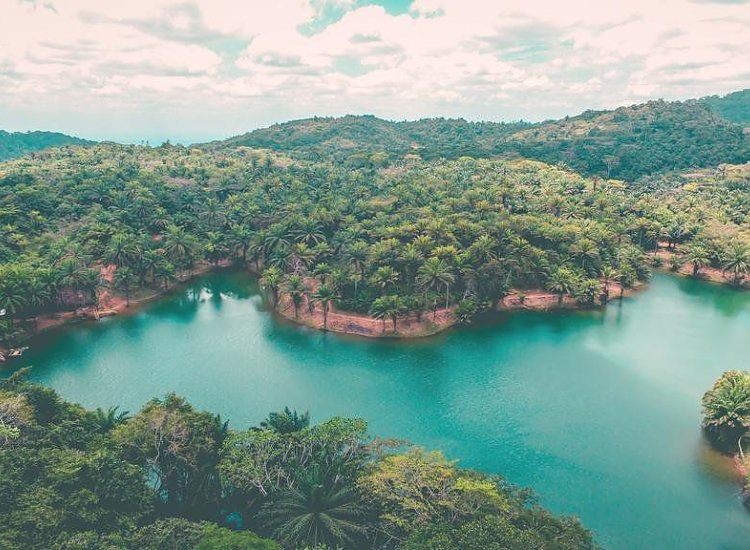
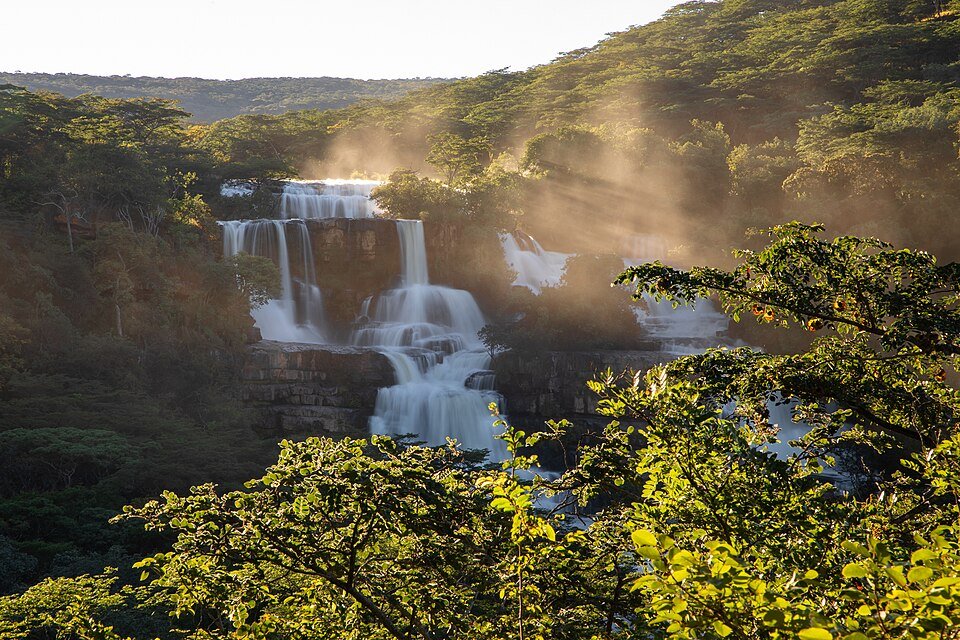
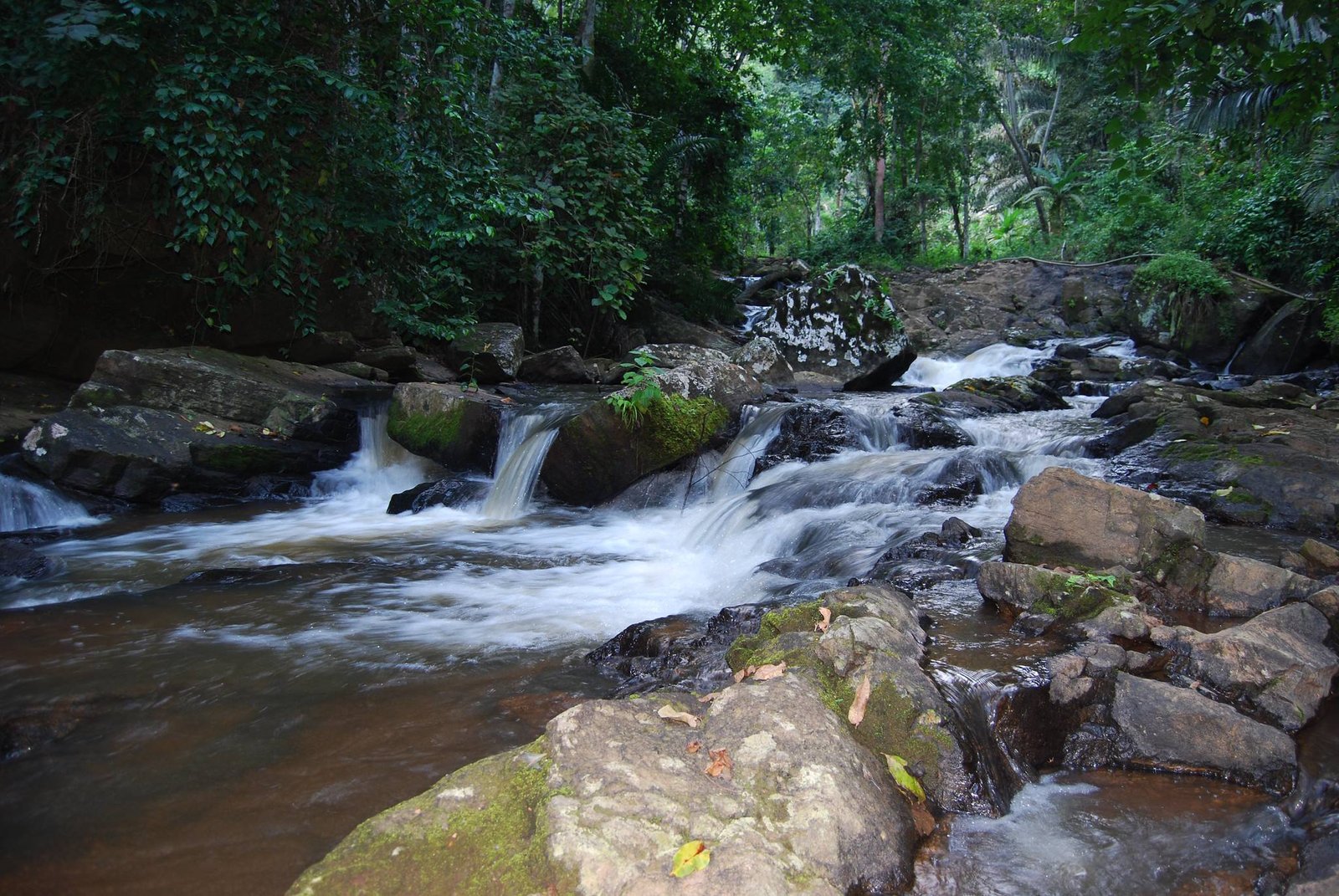
Unlike the classic image of East Africa’s open savannahs, the Usambara Mountains are lush, green, and richly forested. This ancient mountain range is blanketed by pristine tropical rainforest that has remained isolated for millions of years, allowing a remarkable number of plant and animal species to evolve exclusively in this region.
Of the more than 2,000 plant species recorded, approximately 25% are endemic to the Usambara Mountains, as are nearly 50 of the 275 tree species found here. The area is also home to a variety of unique wildlife, particularly molluscs, amphibians, and reptiles that thrive within these diverse ecosystems.
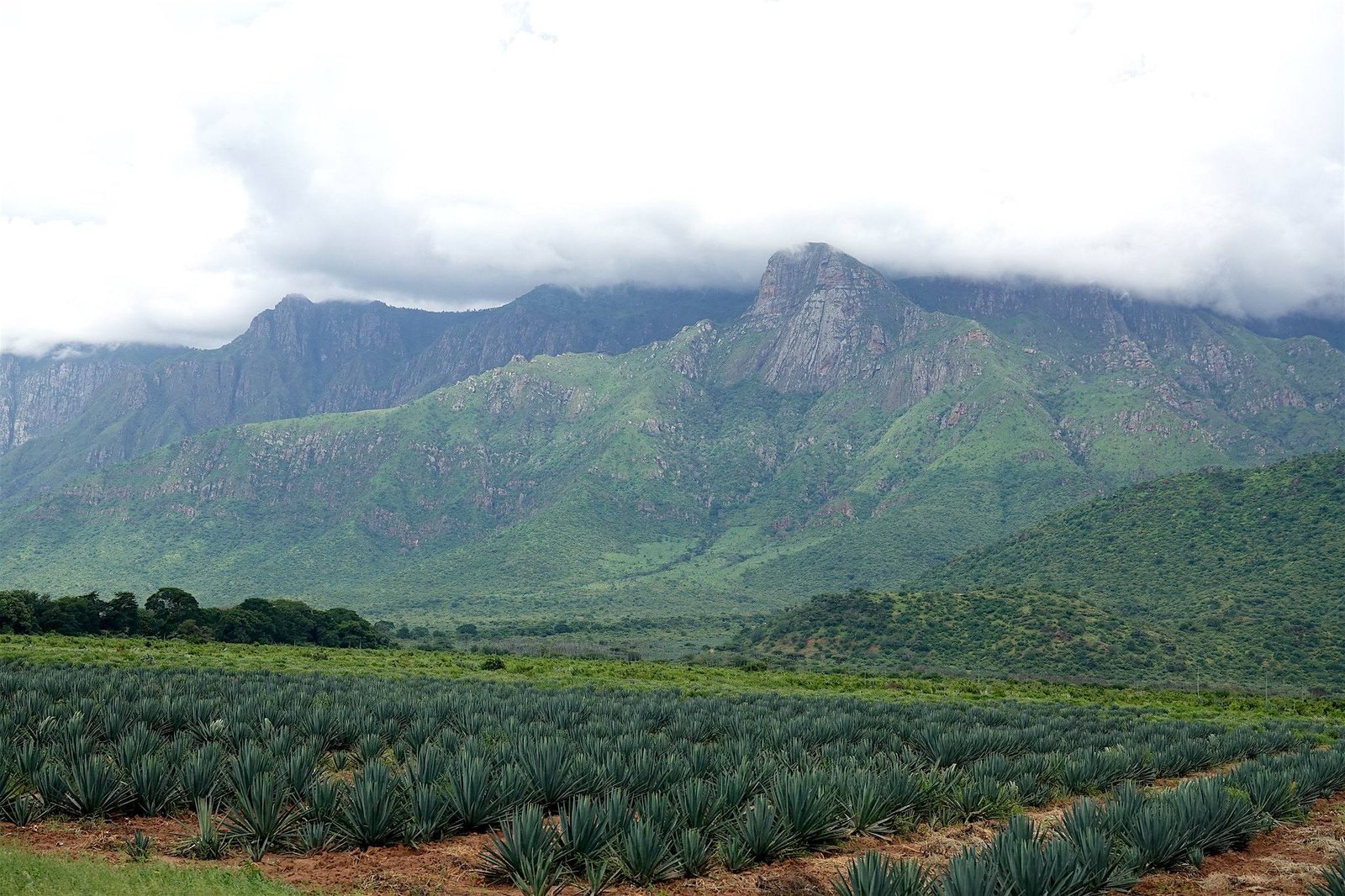
Beyond dense rainforests, the landscape includes misty cloud forests, open grasslands, and fertile agricultural areas, creating a striking mosaic of natural and cultivated environments.
The Usambara Mountains are commonly divided into two sections: the West Usambara Mountains and the smaller East Usambara Mountains, separated by a valley approximately four kilometers wide. The more accessible West Usambara Mountains are reached via the town of Lushoto, while the East Usambara Mountains are accessed through Amani.
The range’s highest peaks rise to about 2,440 meters above sea level and are located near Lushoto, offering breathtaking views over the surrounding highlands.
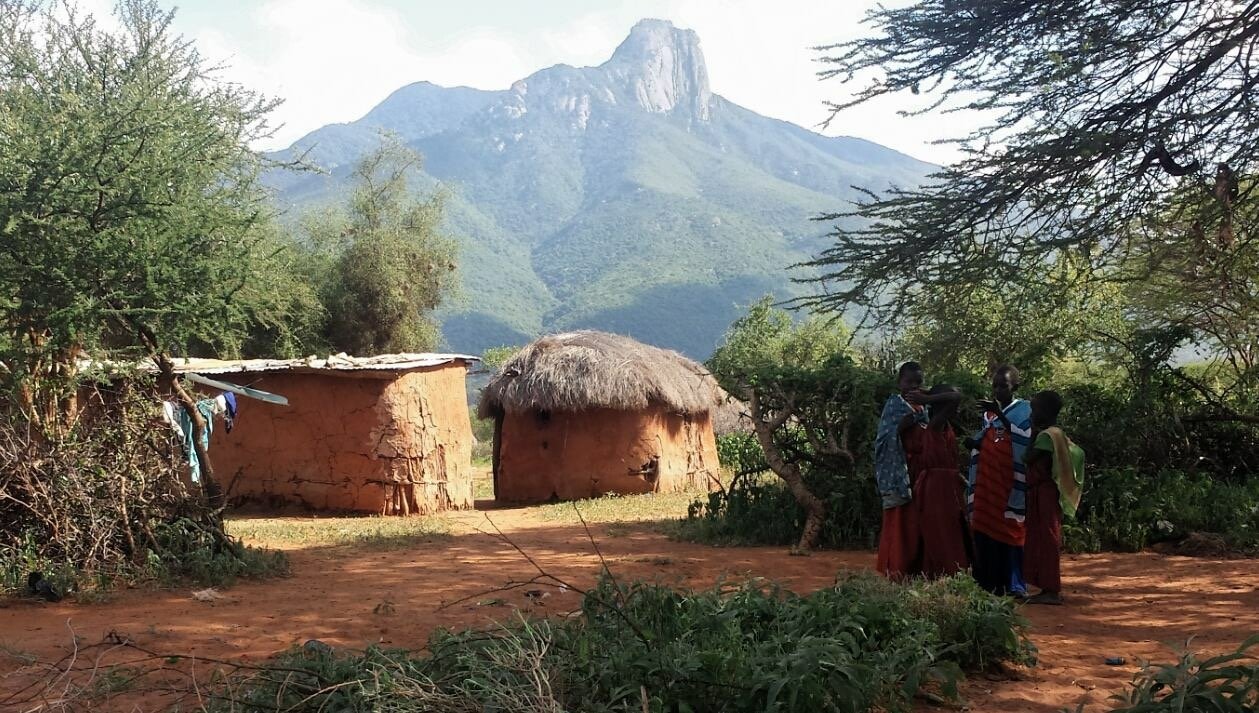
Most residents of the Usambara Mountains are small-scale, self-sufficient farmers who depend heavily on the surrounding forests for essential resources such as timber, medicinal plants, fuelwood, and land for cultivation. Agriculture forms the backbone of local livelihoods, supported by the region’s fertile soils and favorable climate.
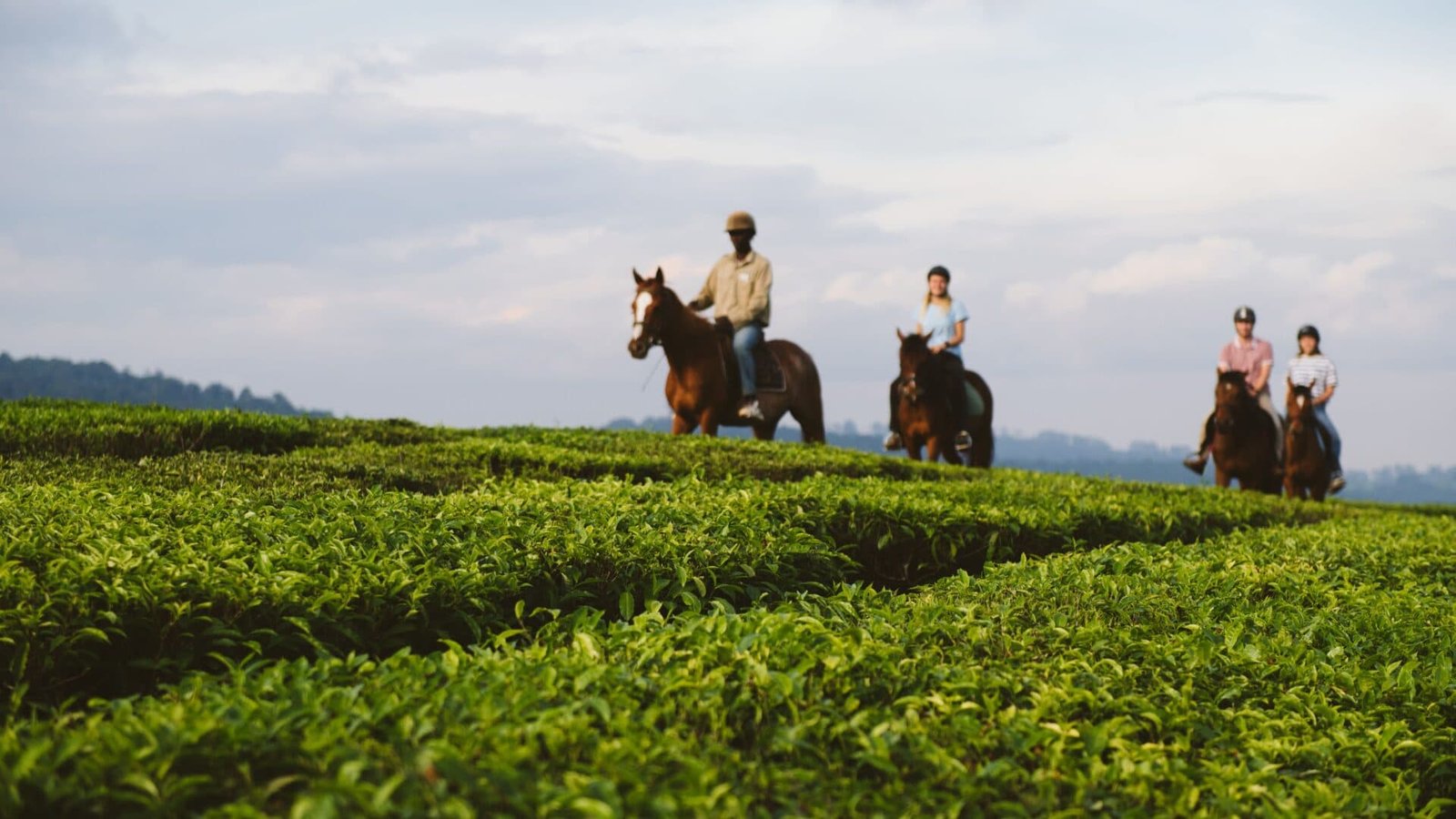
Key agricultural products include maize, cassava, potatoes, tea, cardamom, a variety of vegetables, and seasonal fruits, among others. In addition to farming, tourism provides an important source of income for local communities, creating opportunities through guiding services, accommodation, cultural experiences, and the promotion of conservation-based activities.
The Usambara Mountains can be visited year-round thanks to their cool climate and lush scenery. However, the best time to visit is during the dry seasons, from June to October and January to February, when hiking trails are in good condition and views are clear. These months are ideal for trekking, birdwatching, and cultural visits.
The rainy seasons occur from March to May (long rains) and November to December (short rains). During this time, the landscape is especially green and vibrant, making it attractive for nature lovers, though some trails may become slippery and less accessible.
The Usambara Mountains offer rewarding experiences in every season, depending on whether visitors prefer easier travel conditions or lush, scenic beauty.
Gallery
Related Destinations