
Lake Eyasi – the Hadzabe and Datoga
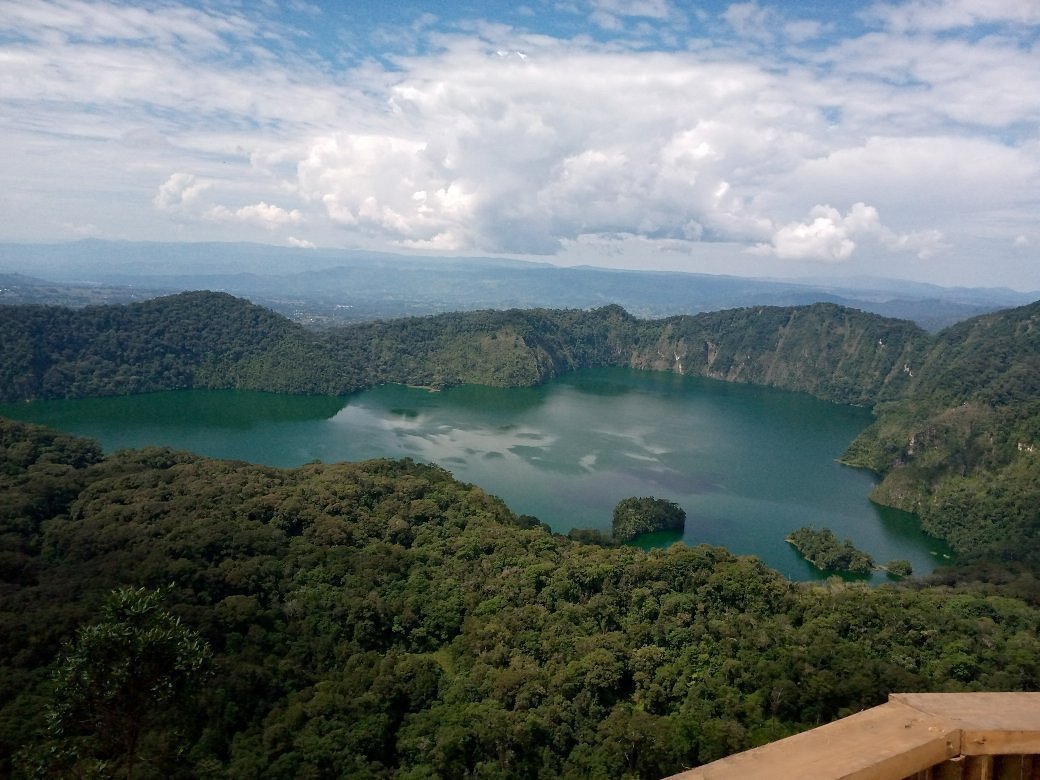
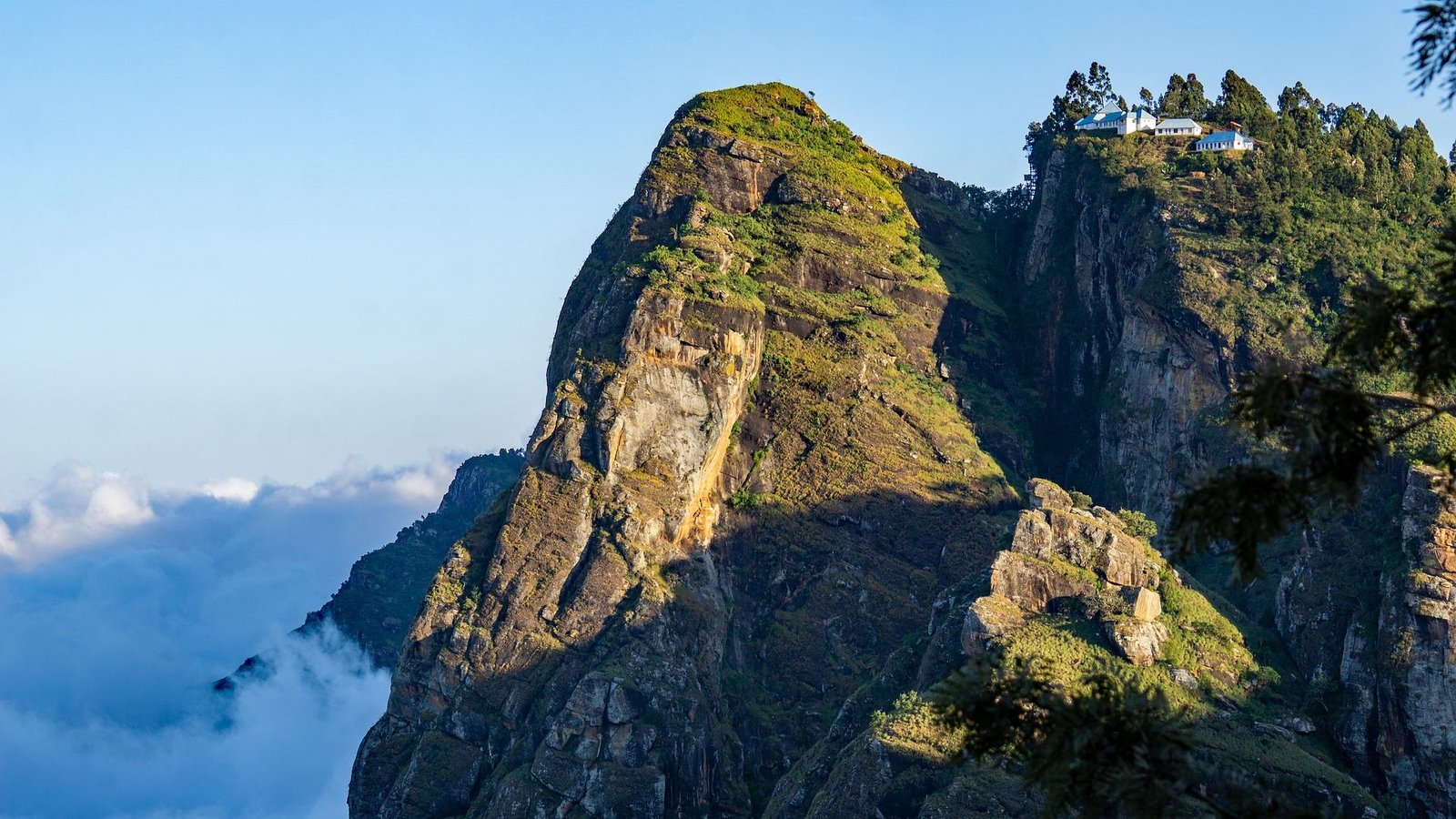
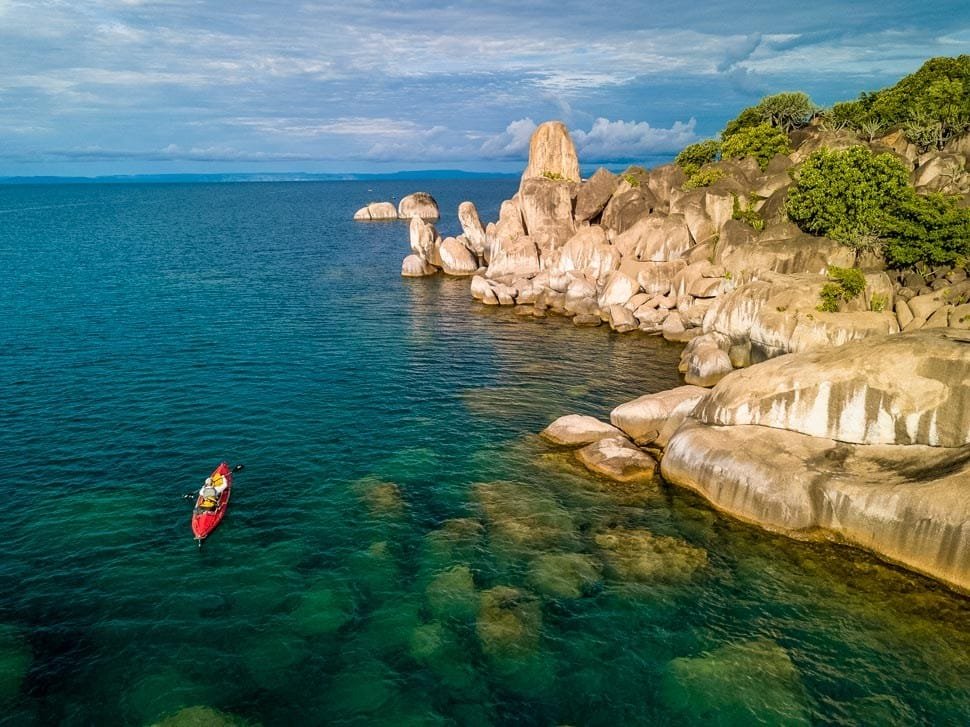
Lake Eyasi is a seasonal shallow endorheic salt lake on the floor of the Great Rift Valley at the base of the Serengeti Plateau, just south of the Serengeti National Park and immediately southwest of the Ngorongoro Crater in the Crater Highlands of Tanzania. The lake is elongated, orientated southwest to northeast, and lies in the Eyasi-Wembere branch of the Great Rift Valley
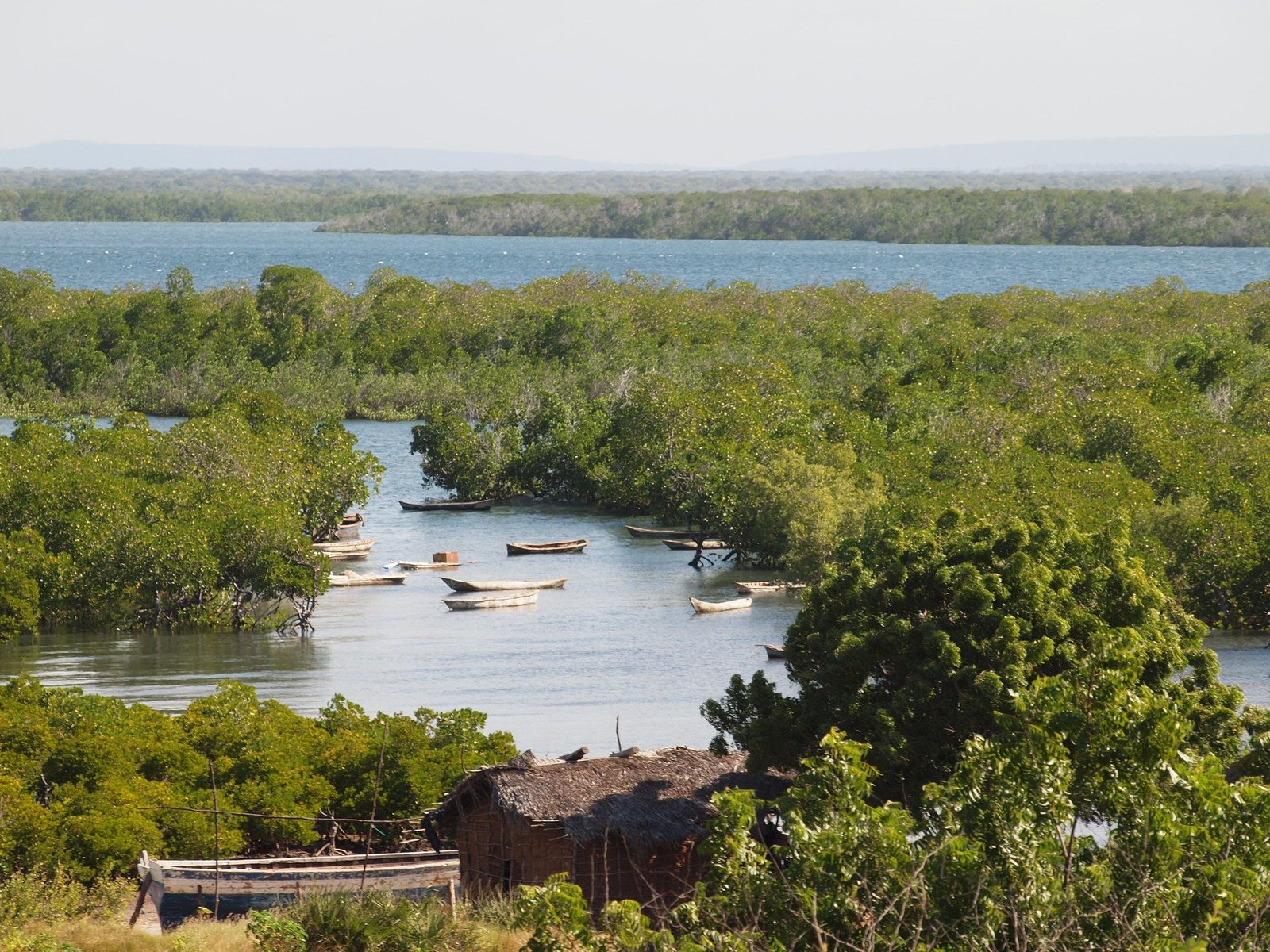
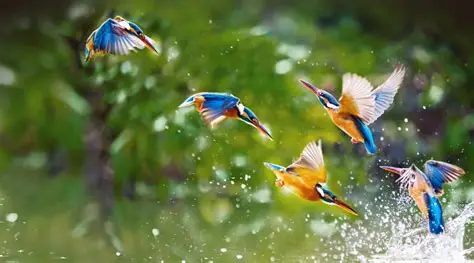
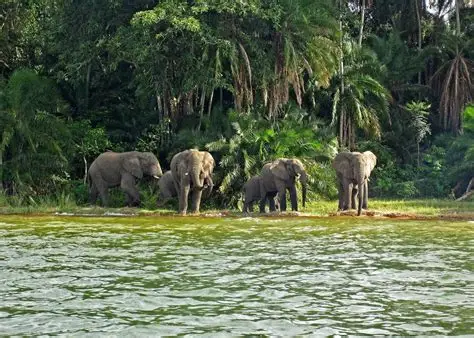
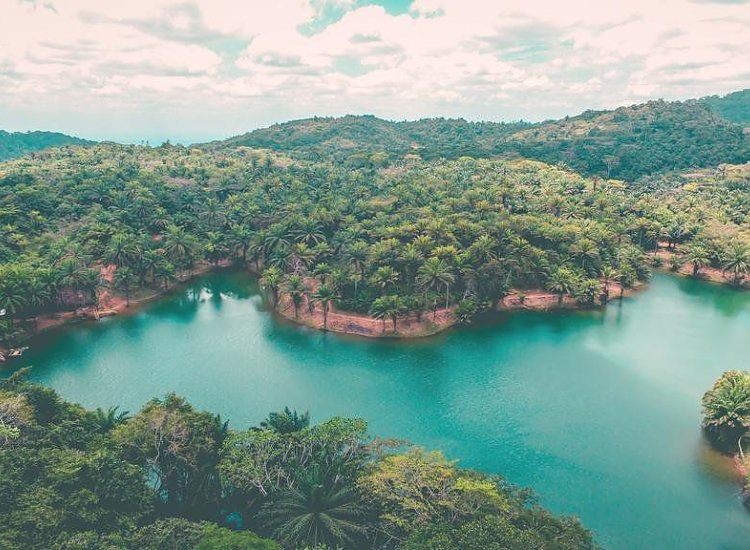
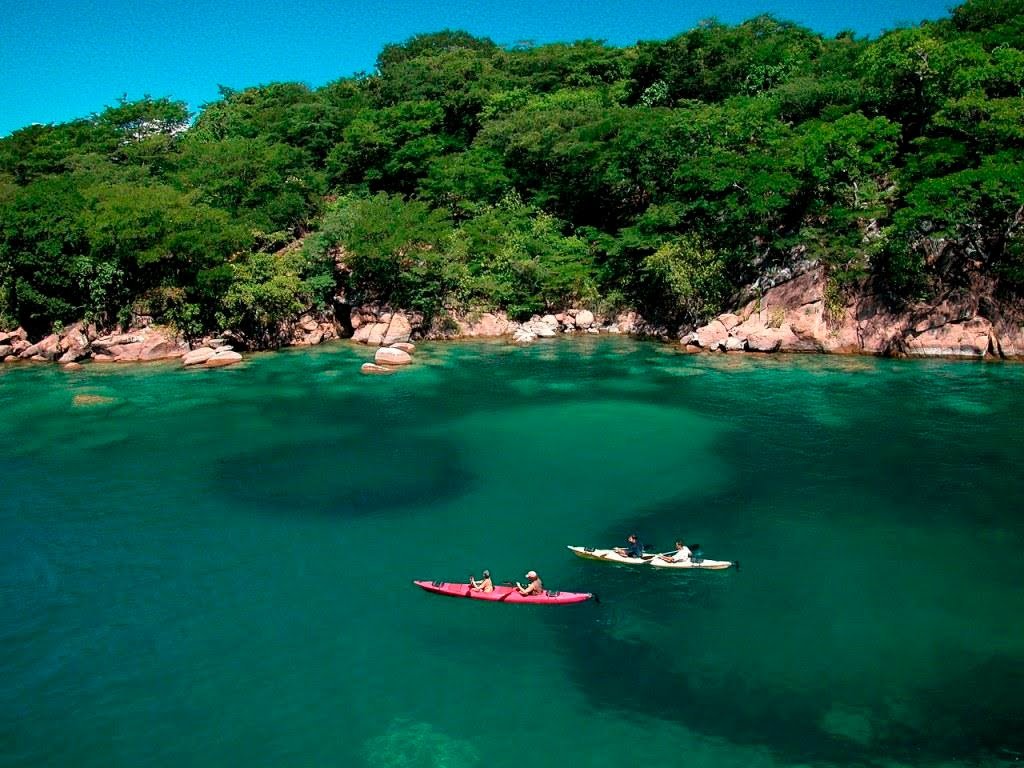
The scenery of Lake Eyasi differs dramatically to that of the surrounding areas. Compared to the Serengeti and Ngorongoro Highlands this area seems downright tropical. Palm trees border the lake and make homes for birds such as Fischer’s lovebird. Other trees in this area include the umbrella thorn acacia and sand paper bush. The weather is nearly always very hot and intense, as the lake is located in floor of the Rift Valley, the oldest rift in the world. The rift is thought to have opened over 65 million years ago, shortly after dinosaurs became extinct. To view Lake Eyasi on our Tanzania map please click here.
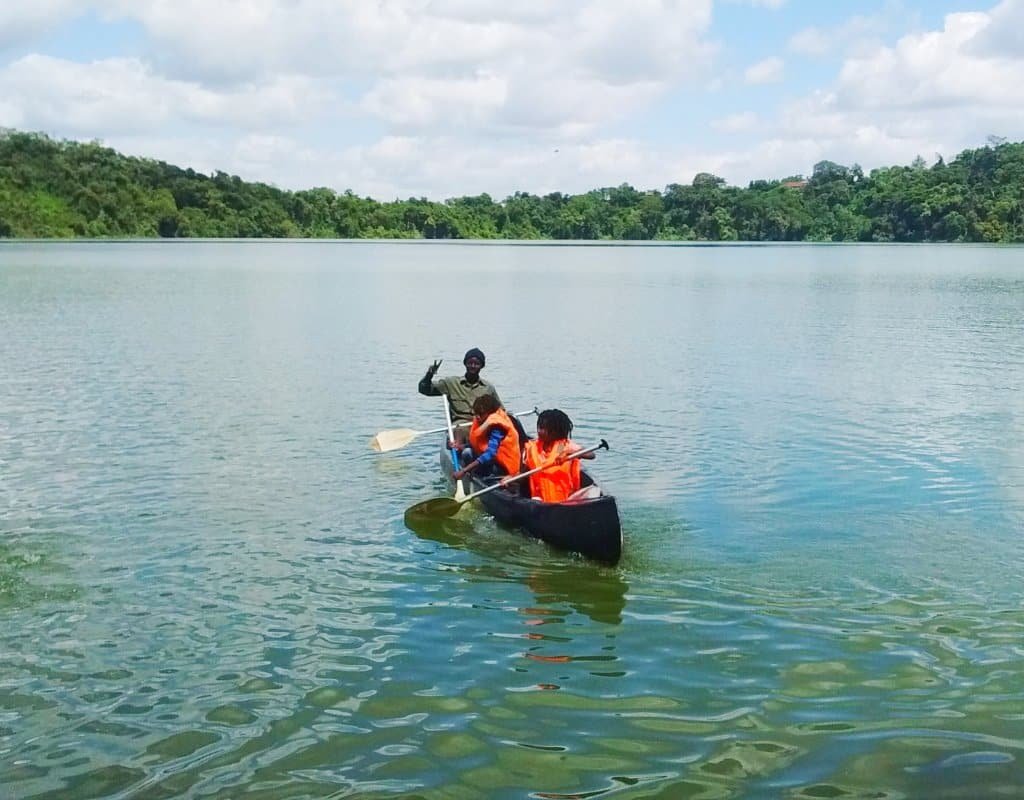
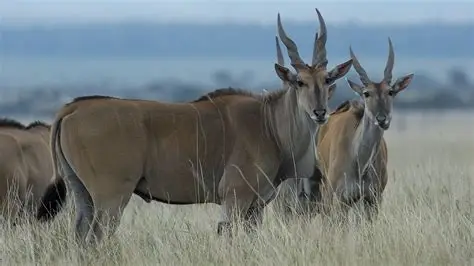
Lake Eyasi’s water levels vary greatly between the rainy and dry seasons. During the dry season the lake is virtually nonexistent and animals are forced to share what water is left, which makes for easier wildlife viewing. The lake can get quite deep during the rainy season and it attracts hippos who like to cool off in its brackish waters.
This region is particularly suited for exploring on foot, and day or half day hikes are highly recommended. It is also possible to go on a hunting trip with the Hadzabe or to visit the other tribes. Almost any time of year is a good time to visit Lake Eyasi with only April and May being questionable as they are when the long rains occur.
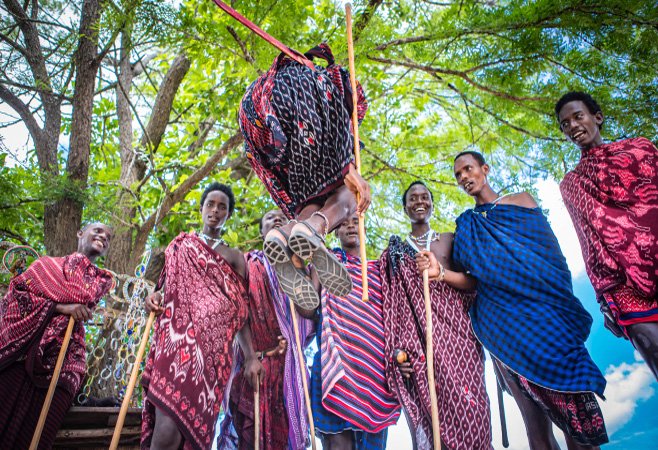
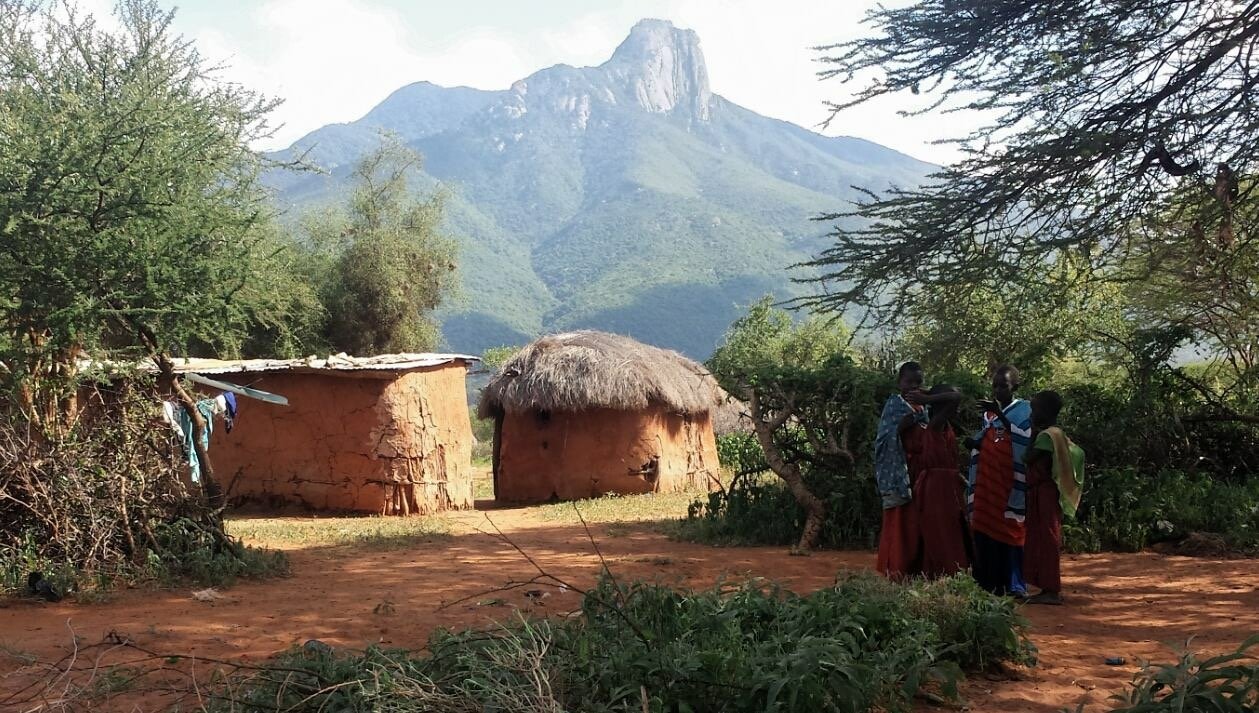
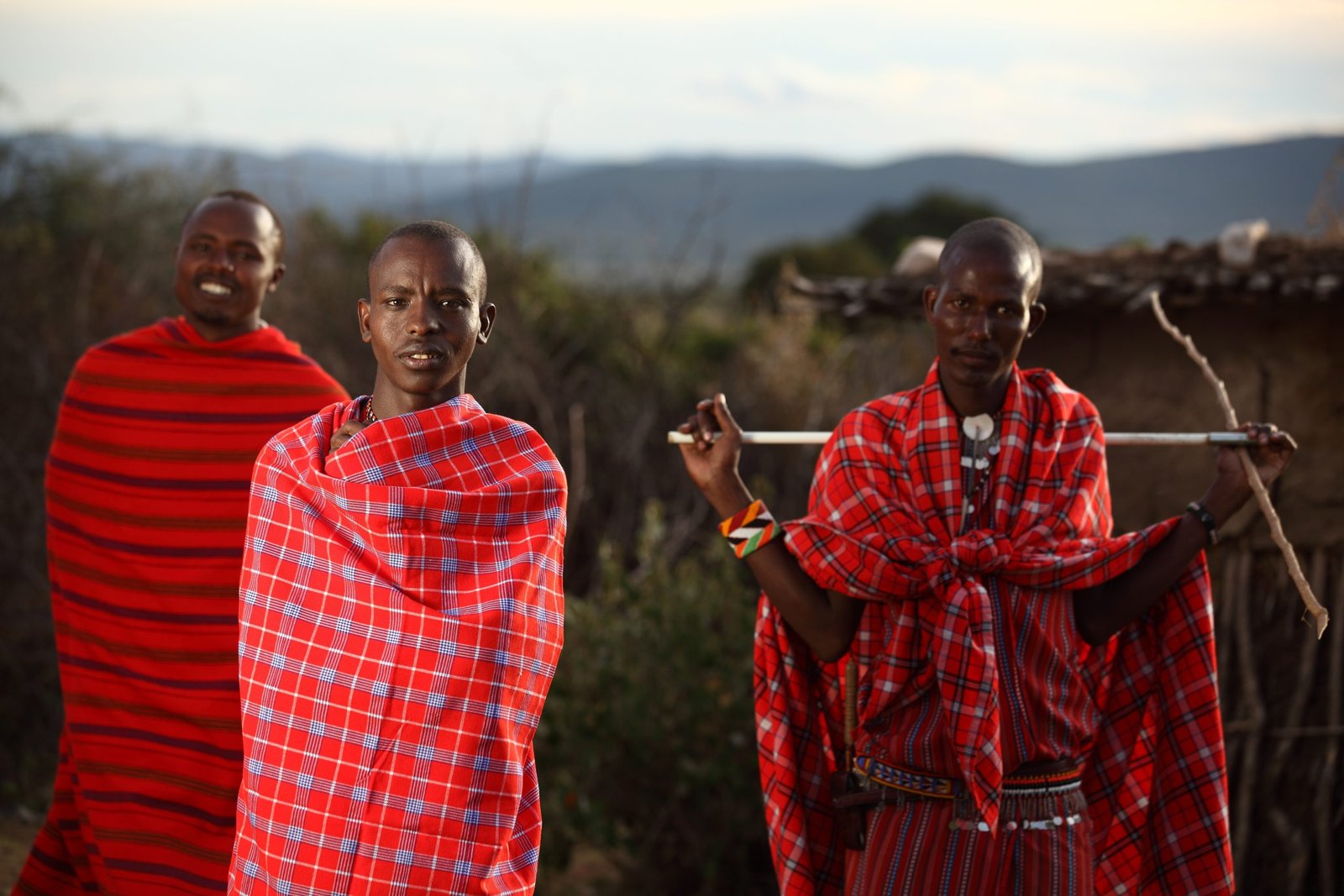
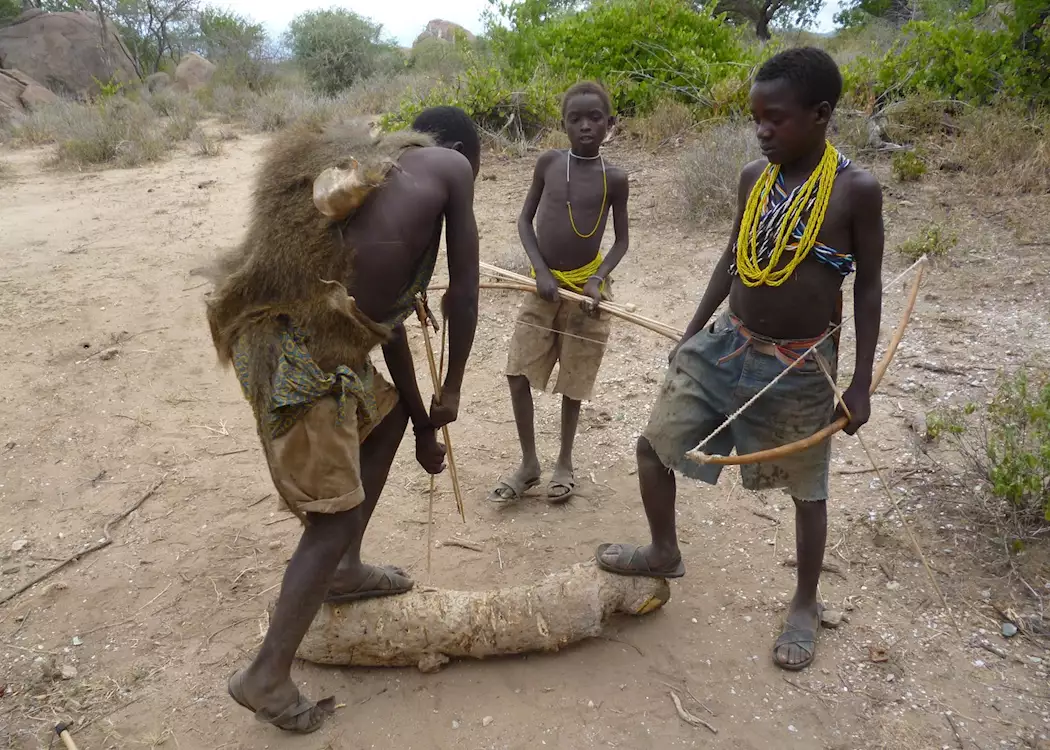
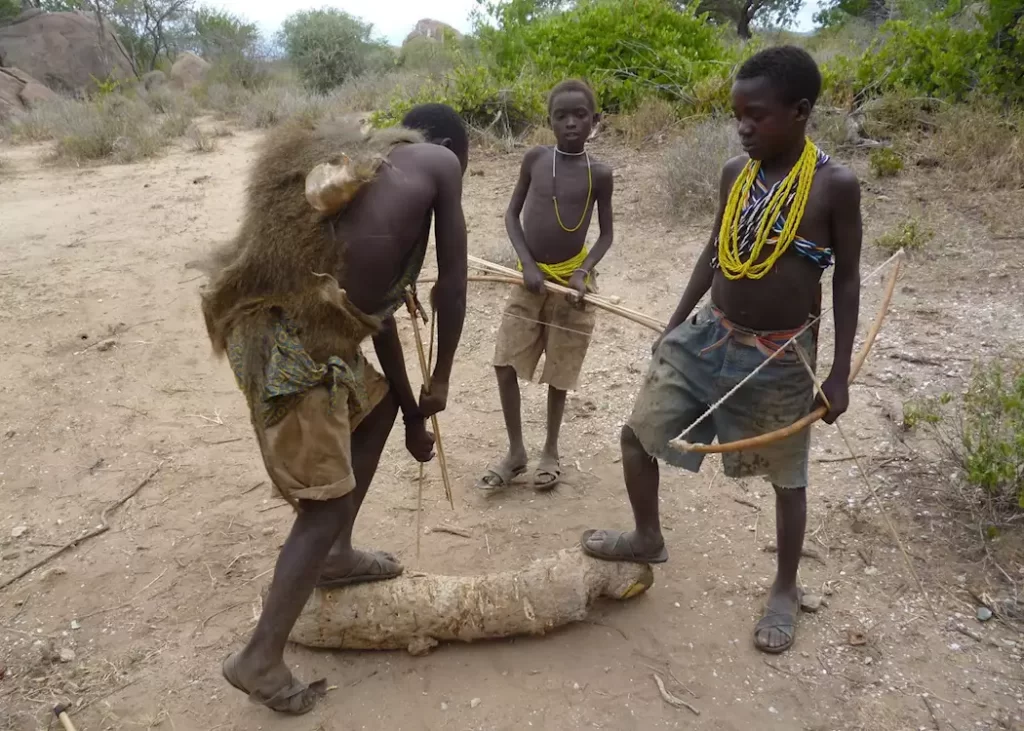
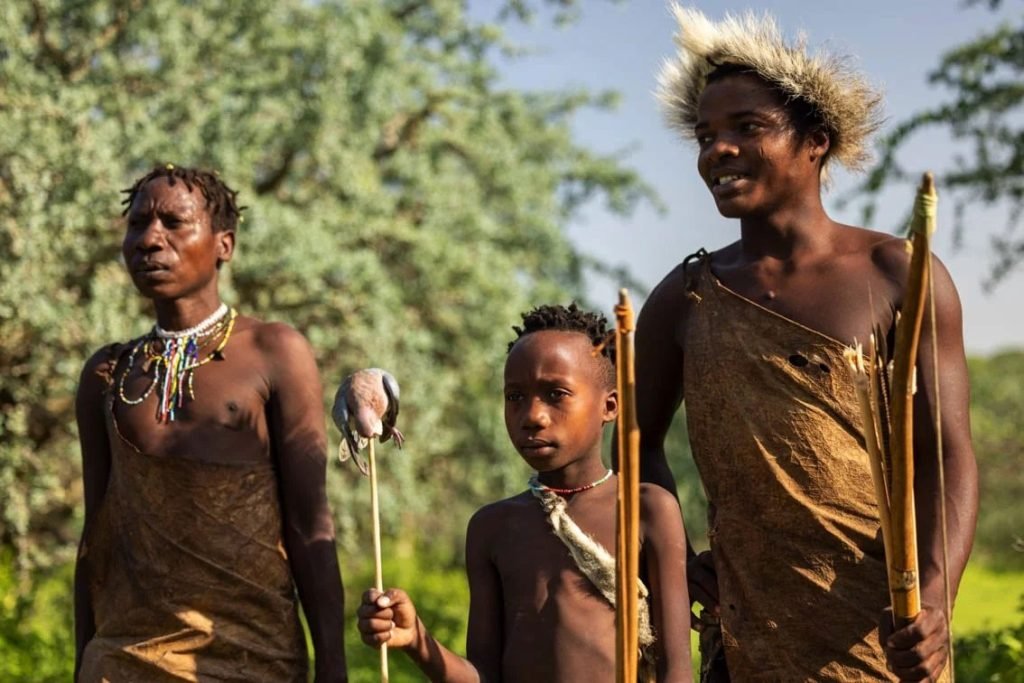
The Hadzabe bushmen live in this region, as do the Datoga and Mbulu tribes. A visit with the bushmen is worthwhile and they will graciously show you where and how they live and hunt. They subsist entirely off the bush and by bow hunting. Everything they use is made from local materials, including their bows which are strung with giraffe tendon and their arrows which are coated in lethal poison. Their language resembles that of Kalahari bushmen tribe (who were featured in the 1980 film ‘The Gods Must Be Crazy’) with clicking noises used.
The Datoga and Mbulu people are pastoralists, like the Masai people.
Bird lovers will be in paradise here, as the lake attracts vast numbers of birds of all sizes and colors. Some main birds to be found here include: Africa spoonbill, flamingos, gray headed gulls, great white pelicans, pied avocet and yellow-billed storks. The main fish found in the lake are catfish and lungfish
The Hadzabe – what you can learn from the Hadzabe
The Datoga – what you can learn from the Datoga
Learn the history of underground springs in Lake Eyasi, these springs have the extension of about 1km forming Chemchem River which sustain all irrigation in the basin
The tribes who farm the Lake Eyasi basin include the native Iraqw, the Nyakyusa, Nyamwezi, Chagga, Meru mostly living around the main settlement in the area .Crops being grown around Lake Eyasi include maize, cassava, bananas, potatoes, beans, and onions which is the chief commercial produce found in irrigated farms…
The best time to visit the Hadzabe and Datoga tribes in northern Tanzania (around Lake Eyasi) depends on the kind of experience you want — but generally, the dry season is ideal.
Here’s a detailed breakdown:
Why it’s best:
The weather is pleasant — sunny days and cool nights.
Roads are in good condition and travel to Lake Eyasi is easier.
The Hadzabe and Datoga are more active, making cultural interactions more immersive.
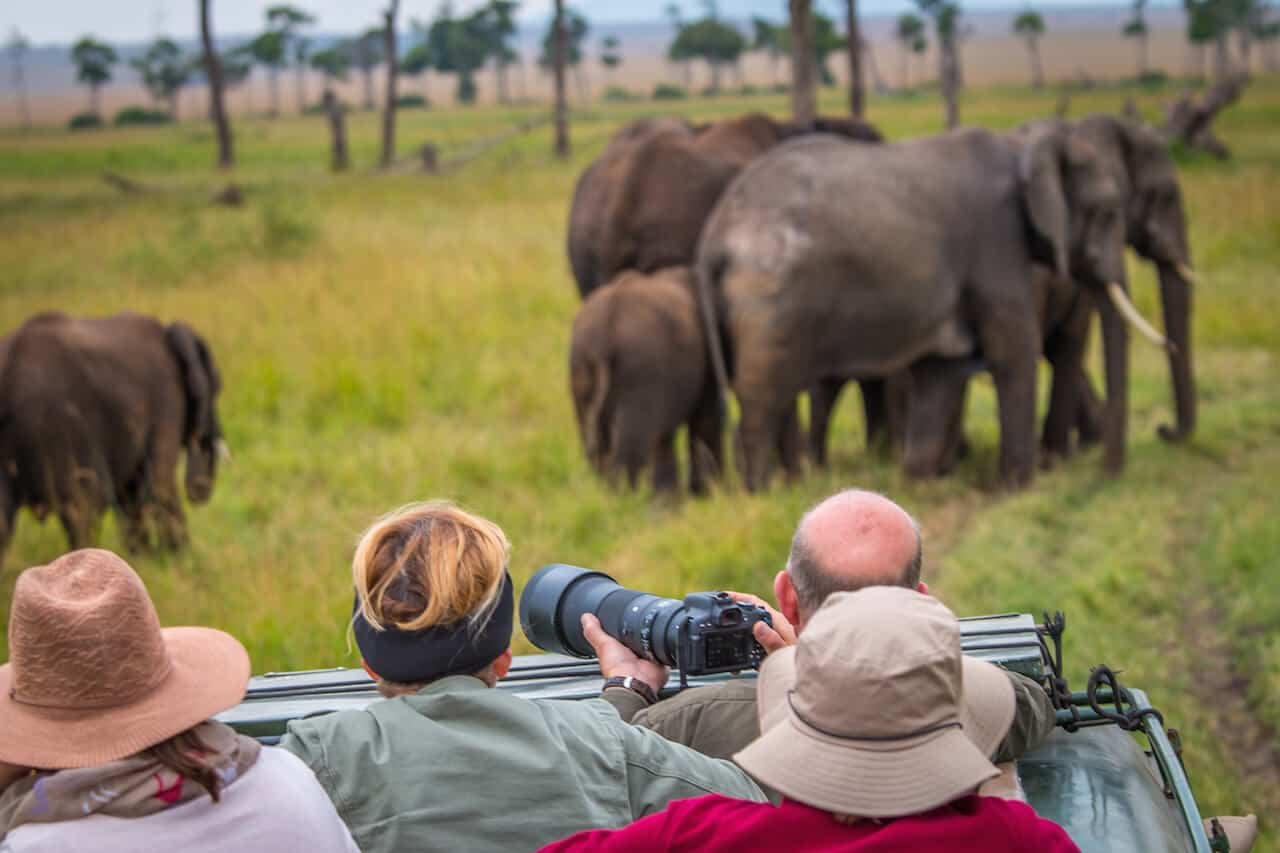
Great time to combine your visit with safaris in nearby parks (Ngorongoro, Tarangire, or Manyara).
Activities:
Early morning hunting with the Hadzabe.
Learning traditional bow-making and fire-starting skills.
Visiting Datoga blacksmiths and observing their metalwork traditions.
Why you might visit:
The landscape is lush and beautiful, ideal for photography.
Fewer tourists — more personal experience.
Birdwatching is excellent.
Considerations:
Occasional rains may make some roads muddy and harder to access.
Some activities may require flexible timing due to weather.
Reason:
This is the heavy rainy season, and access to Lake Eyasi can be difficult due to poor road conditions.
✅ Summary:
Best time: June – October (dry season, comfortable travel, great experiences)
Good alternative: November – March (lush landscapes, fewer crowds)
Avoid: April – May (heavy rains, difficult access)
Gallery
Related Destinations