
Kilwa masoko
Overview
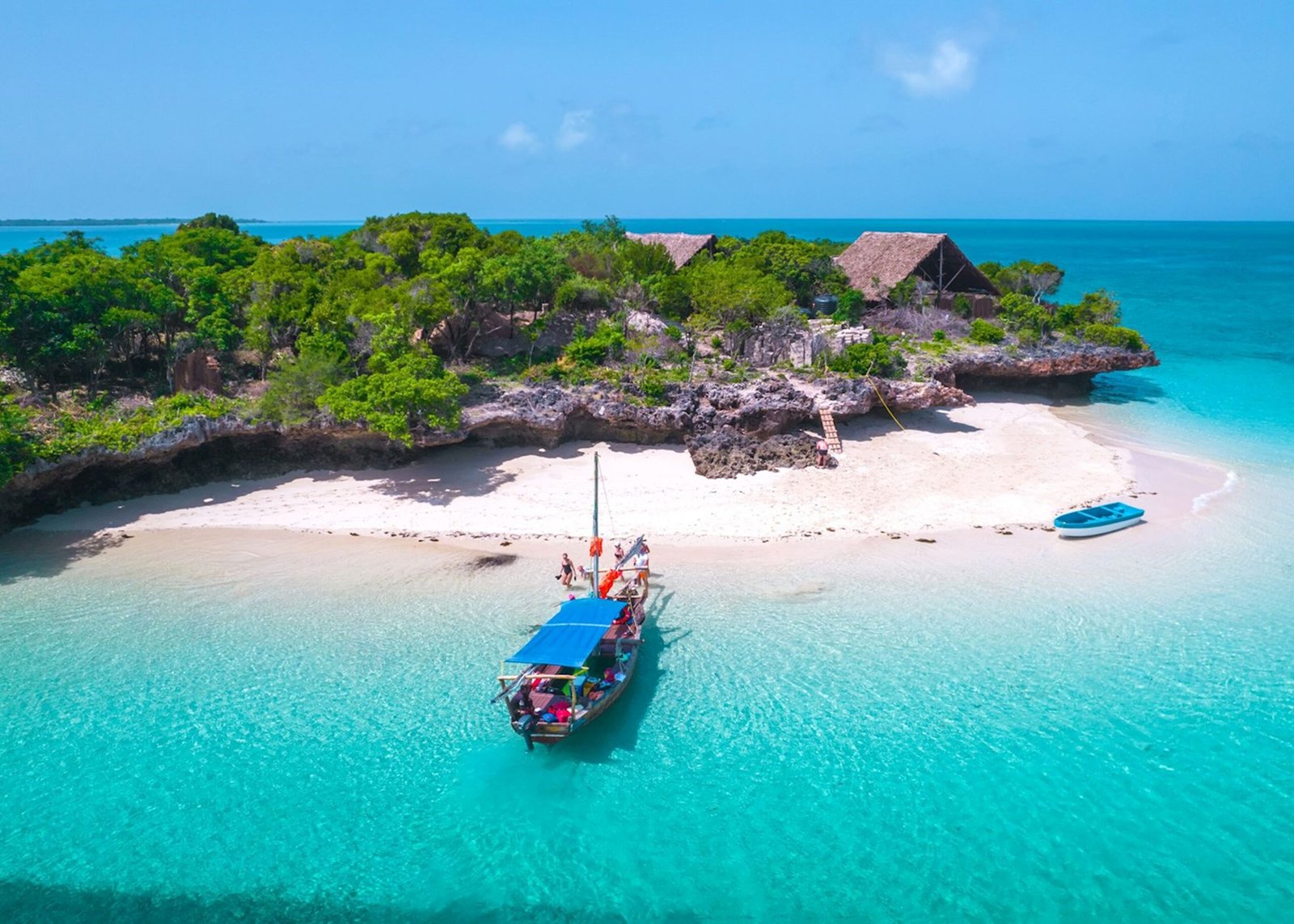
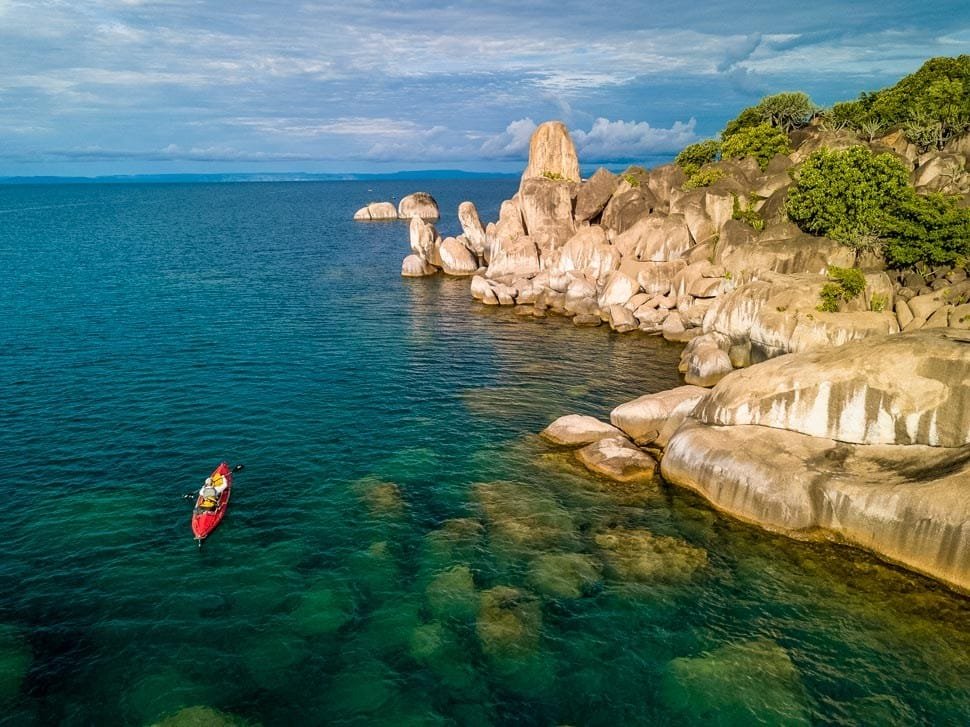
Kilwa is one of the six administrative districts of Lindi Region in Tanzania, covering an area of 13,347.5 square kilometers. The district includes several islands, with Kilwa Kisiwani being the largest and most historically significant. Other notable islands in the Kilwa Archipelago include Songo Mnara Island, while the Songosongo Islands archipelago comprises 21 coral reefs and four islands: Fanjove, Nyuni, Songo Songo, and Okuza. Kilwa is also home to the Pindiro Forest Reserve, where albino hippopotamuses have been observed.
Geography
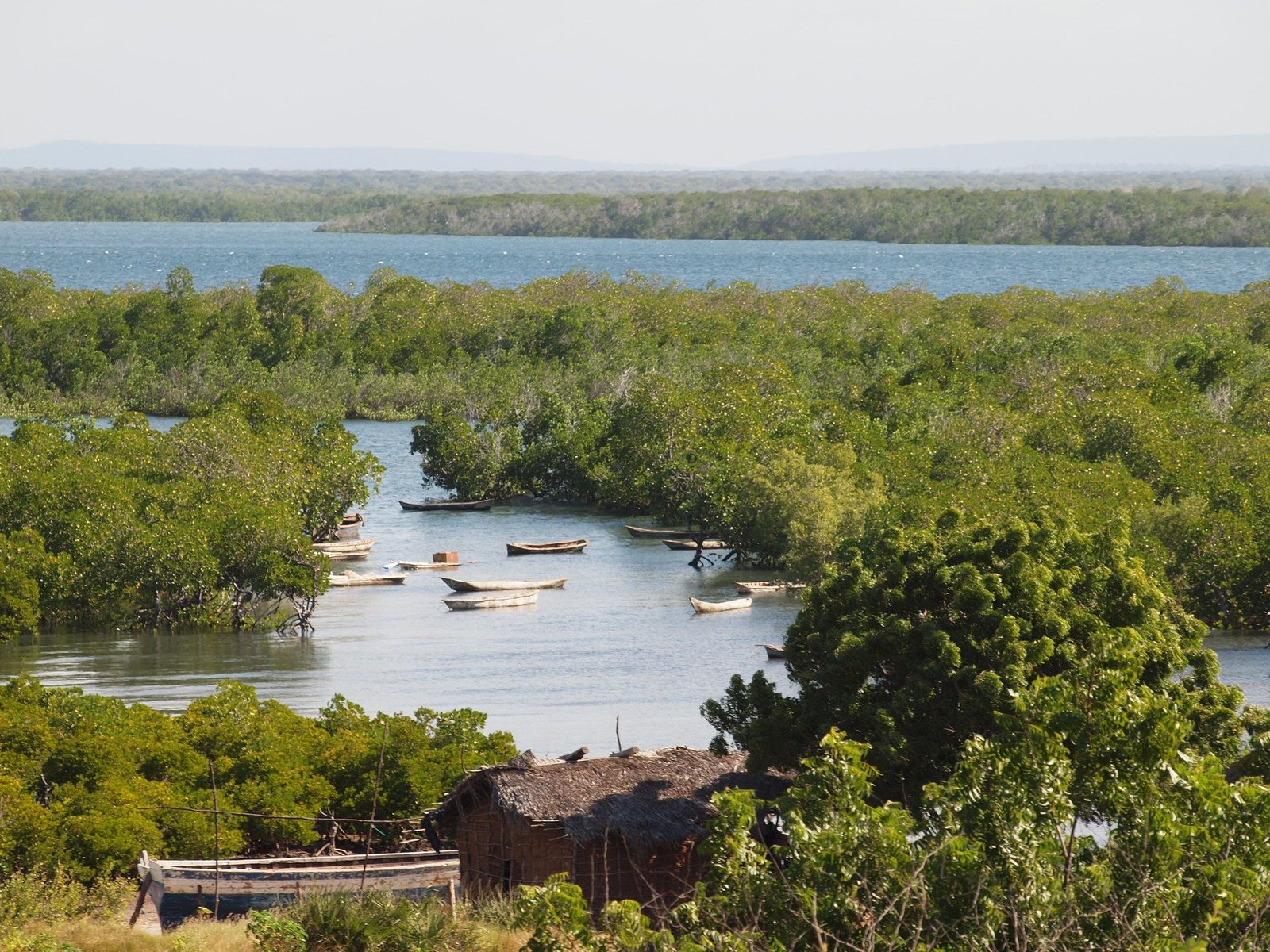
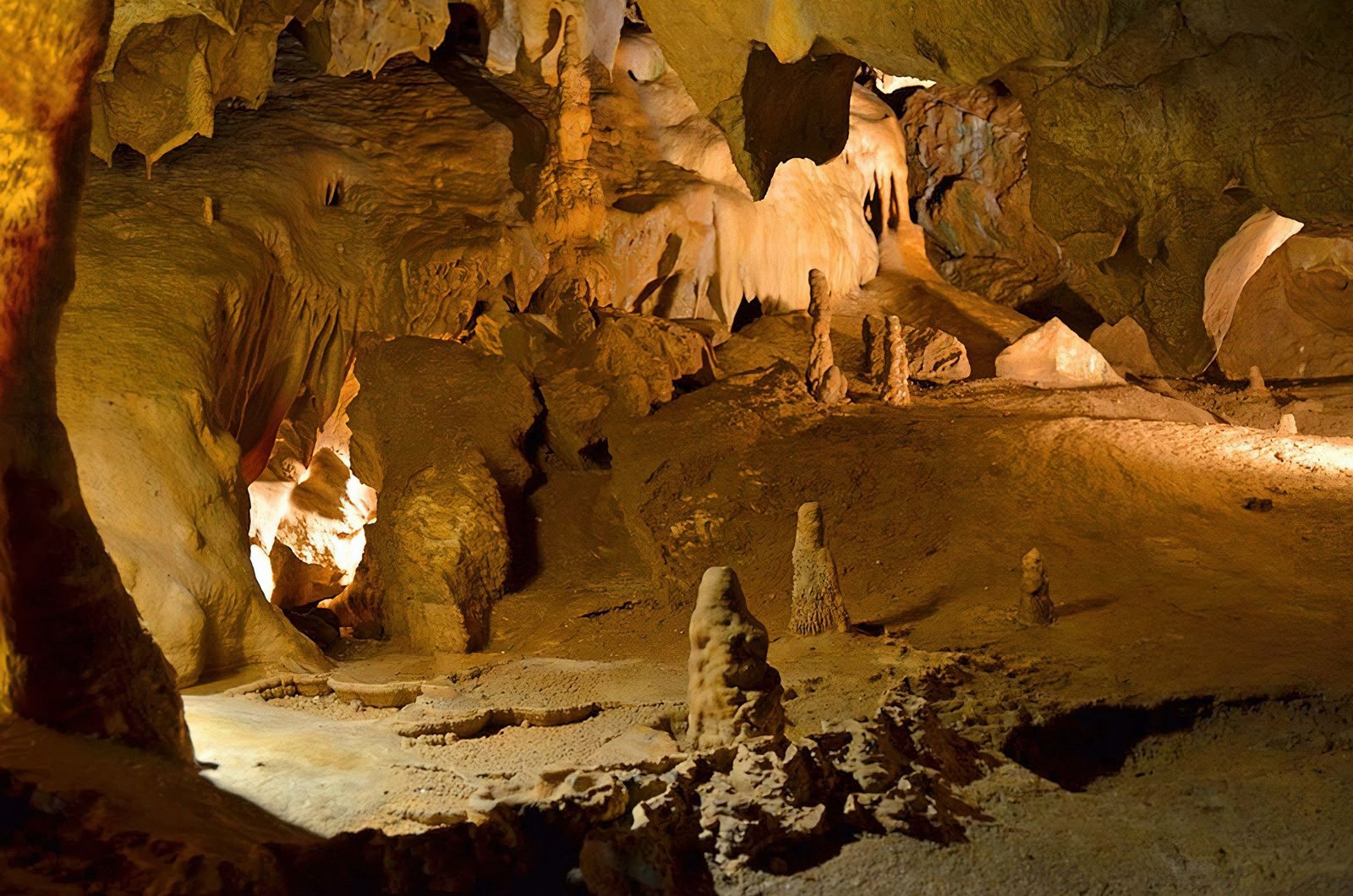
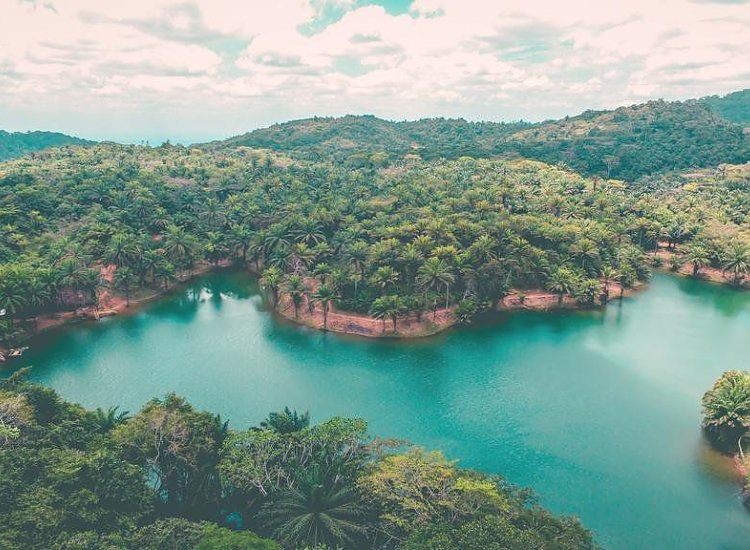
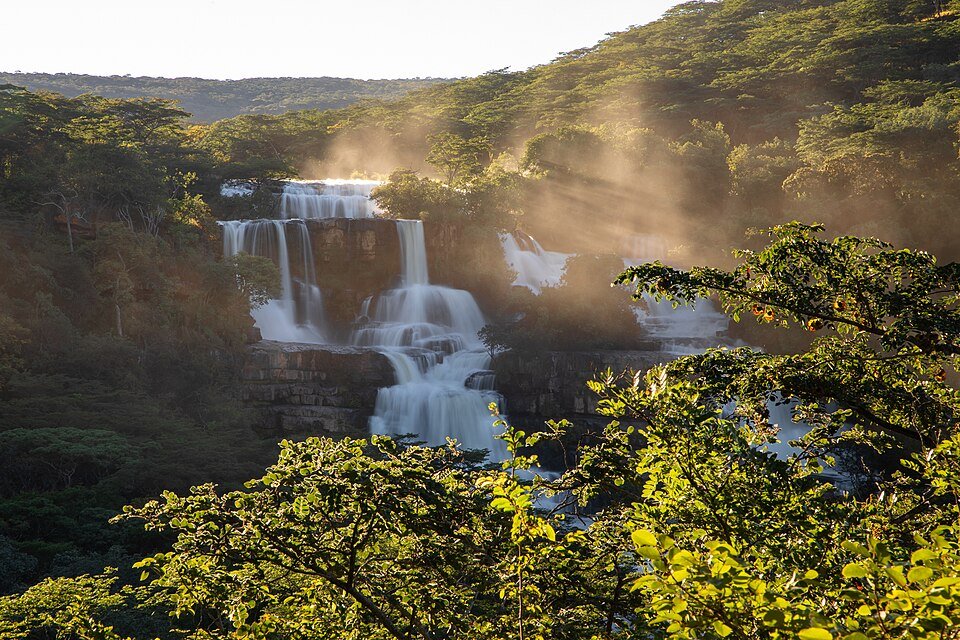
The district features several rivers, with the Matandu River being the largest, flowing west to east. Other rivers include the Mbwemkuru River and Mavuji River. Kilwa also hosts a remarkable cave system in Kipatimu Ward, known as Nan’goma Cave, located in the Matumbi Highlands, which span Kilwa and Rufiji District in Pwani Region.
History and Culture
Kilwa has been inhabited for thousands of years and is the ancestral home of three Bantu peoples: the Matumbi, Mwera, and Machinga. The Matumbi are the dominant group, traditionally occupying the central and northern parts of the district, including its islands. The Machinga inhabit the southeastern area bordering Lindi District, while the Mwera reside in the southwestern region.
The district became Swahilized in the 9th century with the introduction of Islam, transforming it into one of the wealthiest Swahili city-states by the 14th century. Kilwa is globally renowned for its medieval Swahili historical sites, particularly on Kilwa Kisiwani and Songo Mnara, both designated as UNESCO World Heritage Sites.
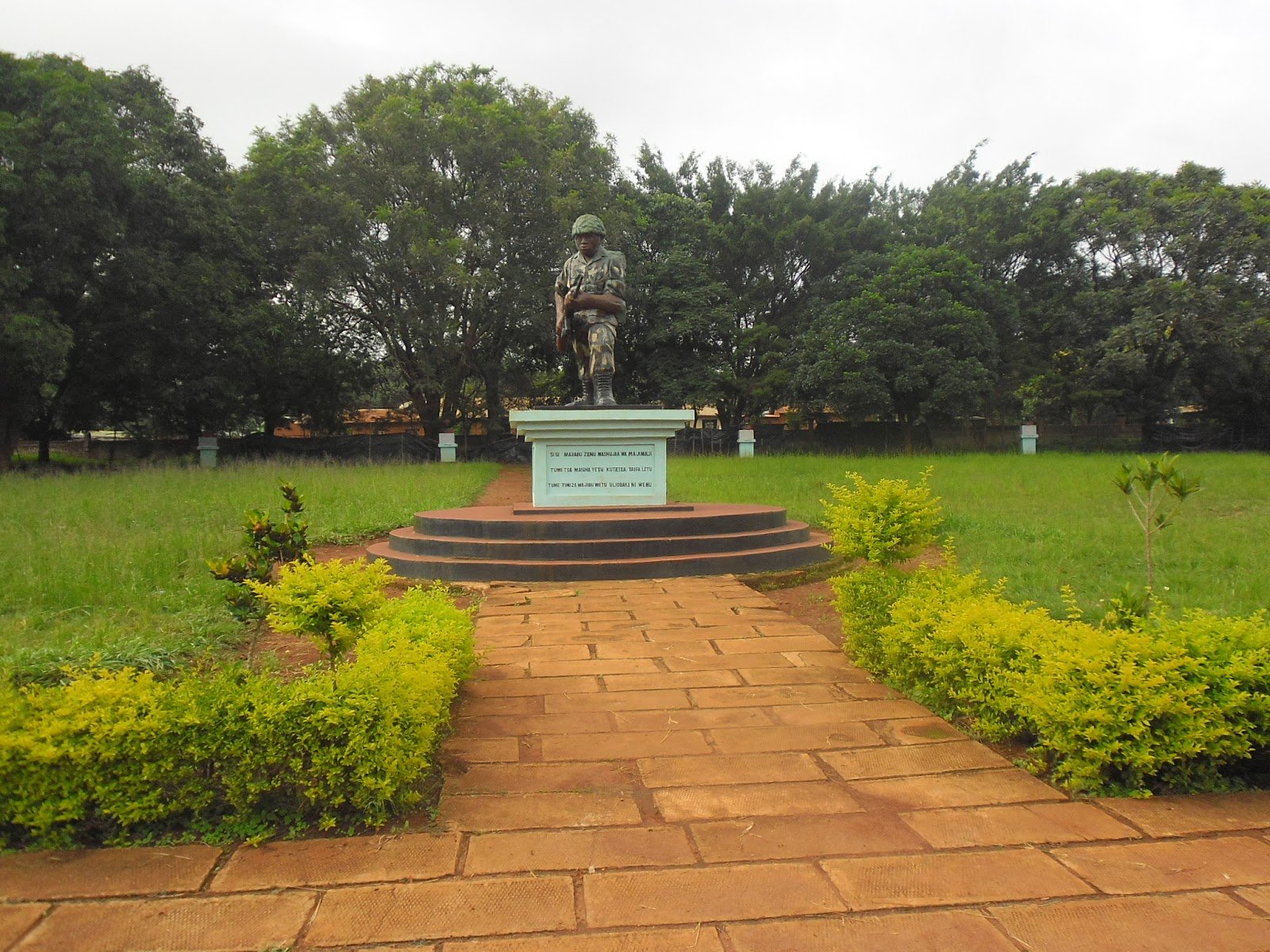
The Swahili city-state of Kilwa reached its peak as a major port before its decline when Portuguese forces burned and looted the city in July 1505. Later, in 1866, the Germans occupied the area, establishing their headquarters at Kilwa Kivinje, which they used to suppress the Maji Maji Rebellion in the Matumbi Hills. Under British rule starting in 1918, Kilwa Masoko was established as the district seat, with a deepwater port built to support commercial shipping. Kilwa Masoko remains the capital of Kilwa District today. Post-independence, the district was officially designated as a district council in 1984.
Significance
Kilwa District is not only historically and culturally important but also geographically and ecologically rich, offering visitors a unique combination of heritage sites, islands, forests, rivers, and coral reefs. It is a key destination for travelers interested in Swahili history, marine exploration, and natural beauty.
Explore Historical Sites
Visit Kilwa Kisiwani and Songo Mnara, UNESCO World Heritage Sites, to see the remains of ancient Swahili architecture, mosques, and palaces.
Learn about the region’s history as a major medieval trade hub and the Swahili city-state.
Island Hopping
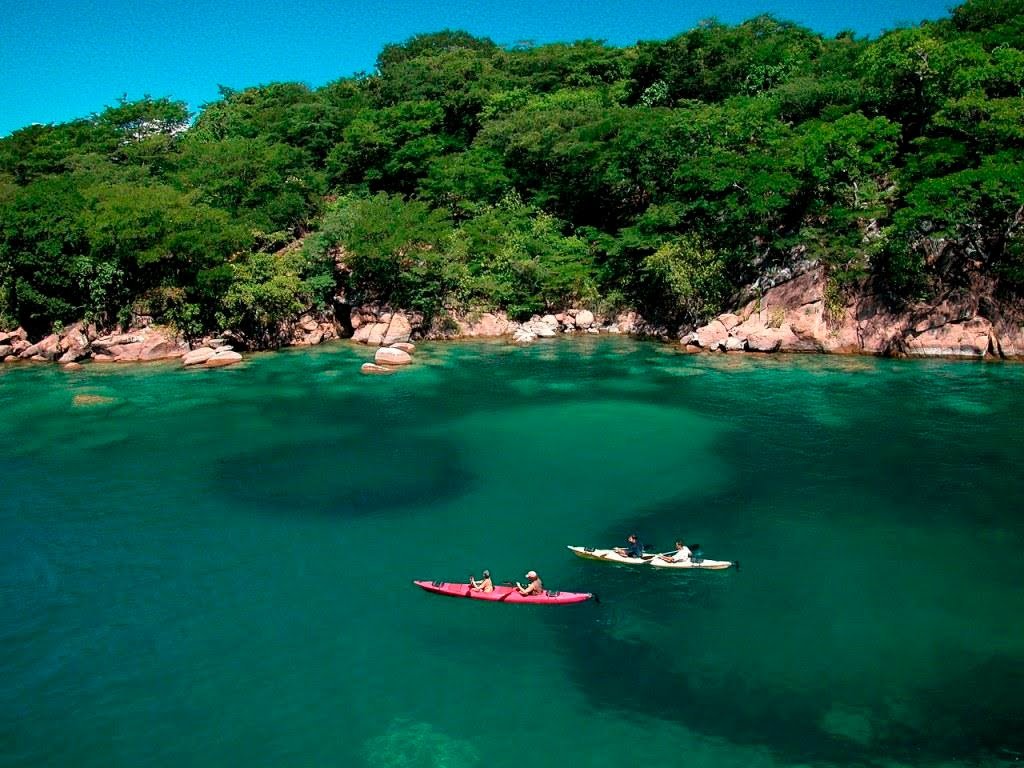
Explore the Kilwa Archipelago and Songosongo Islands, enjoying pristine beaches, coral reefs, and scenic ocean views.
Visit islands like Fanjove, Nyuni, Songo Songo, and Okuza for relaxation or snorkeling adventures.
Snorkeling and Diving
Discover vibrant coral reefs around the Songosongo Islands, teeming with marine life including tropical fish, turtles, and sometimes dolphins.
Wildlife and Nature Tours
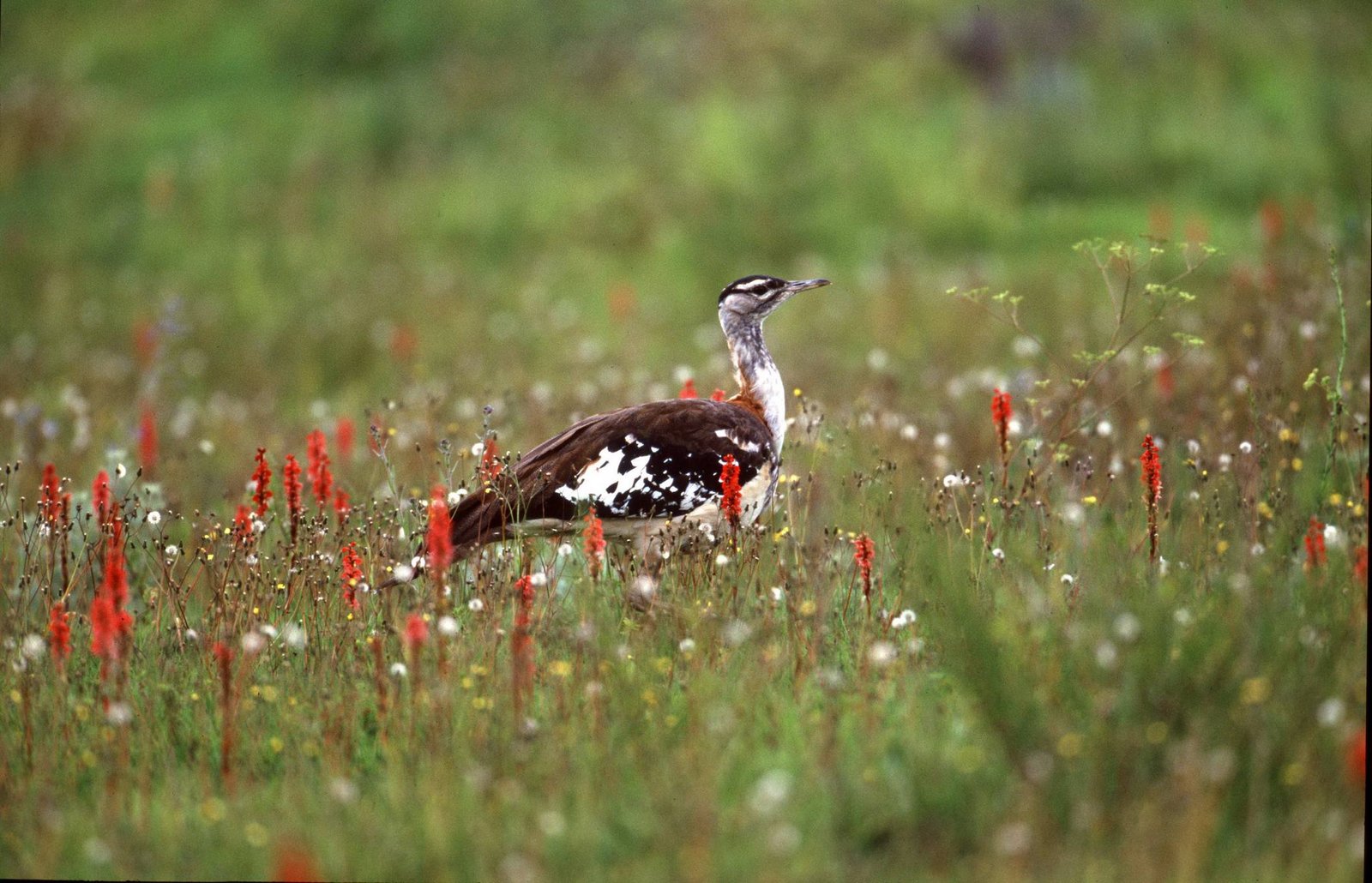
Visit the Pindiro Forest Reserve, home to unique flora and rare albino hippopotamuses.
Explore the Matumbi Highlands and Nan’goma Cave system for hiking and caving experiences.
Fishing Excursions
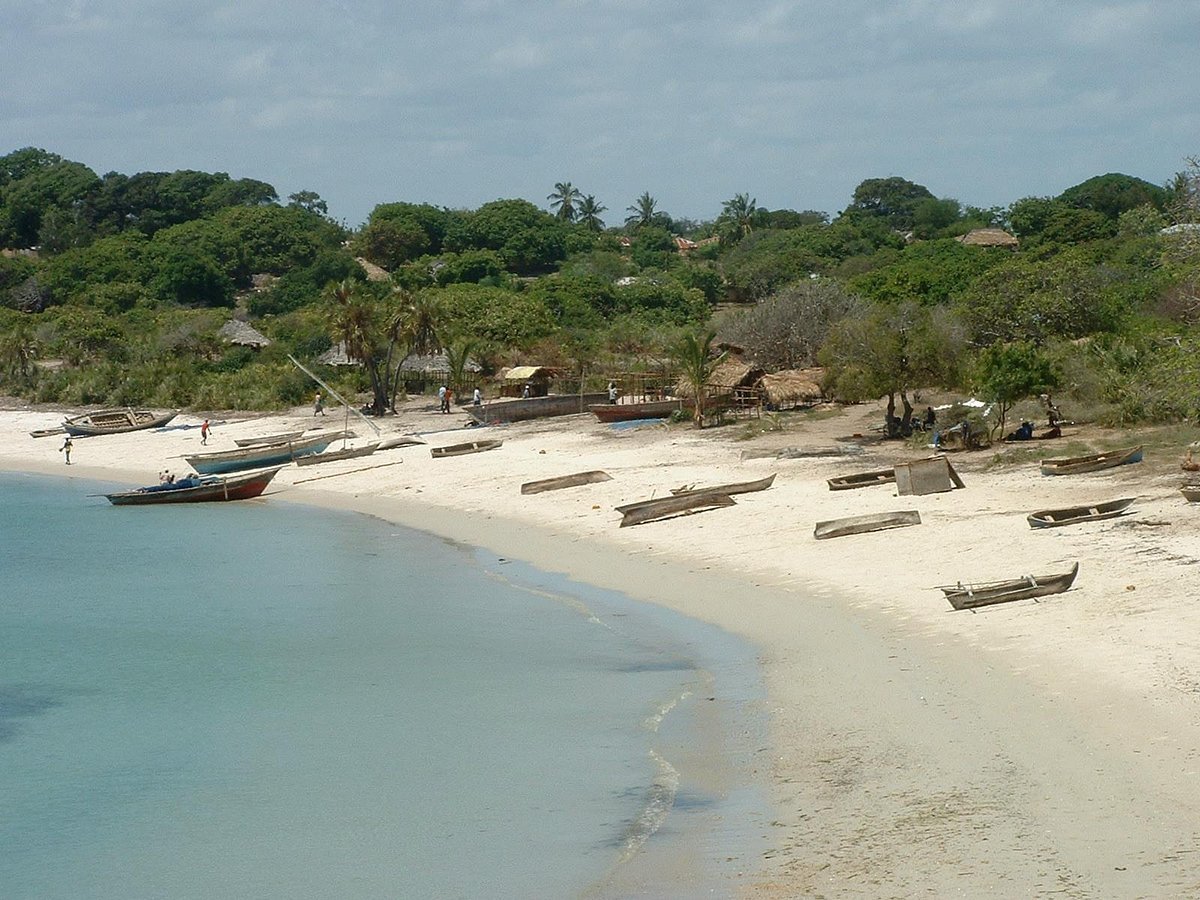
Join local fishermen or organized tours for deep-sea or traditional dhow fishing in the Indian Ocean.
Cultural Visits
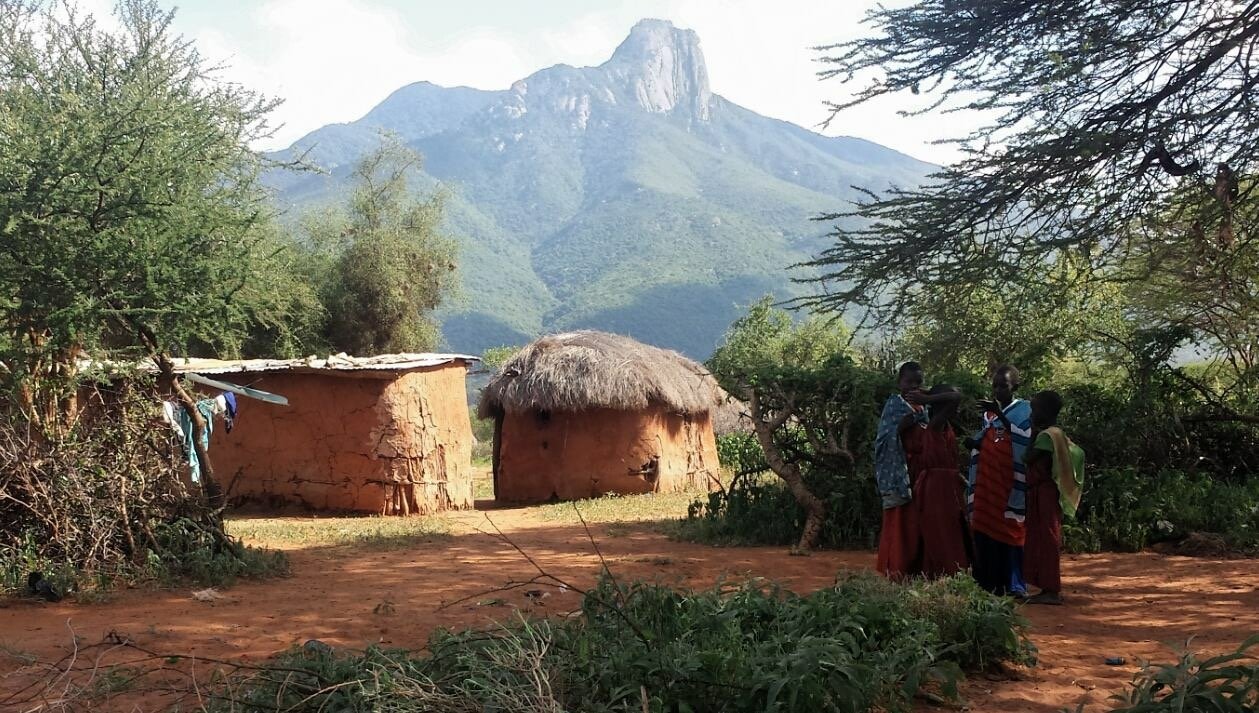
Interact with the Matumbi, Mwera, and Machinga communities, learn traditional lifestyles, and visit local markets and villages.
Beach Relaxation
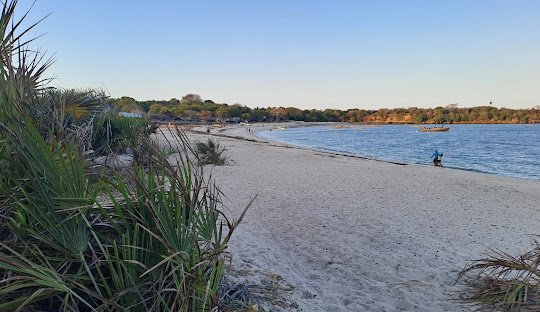
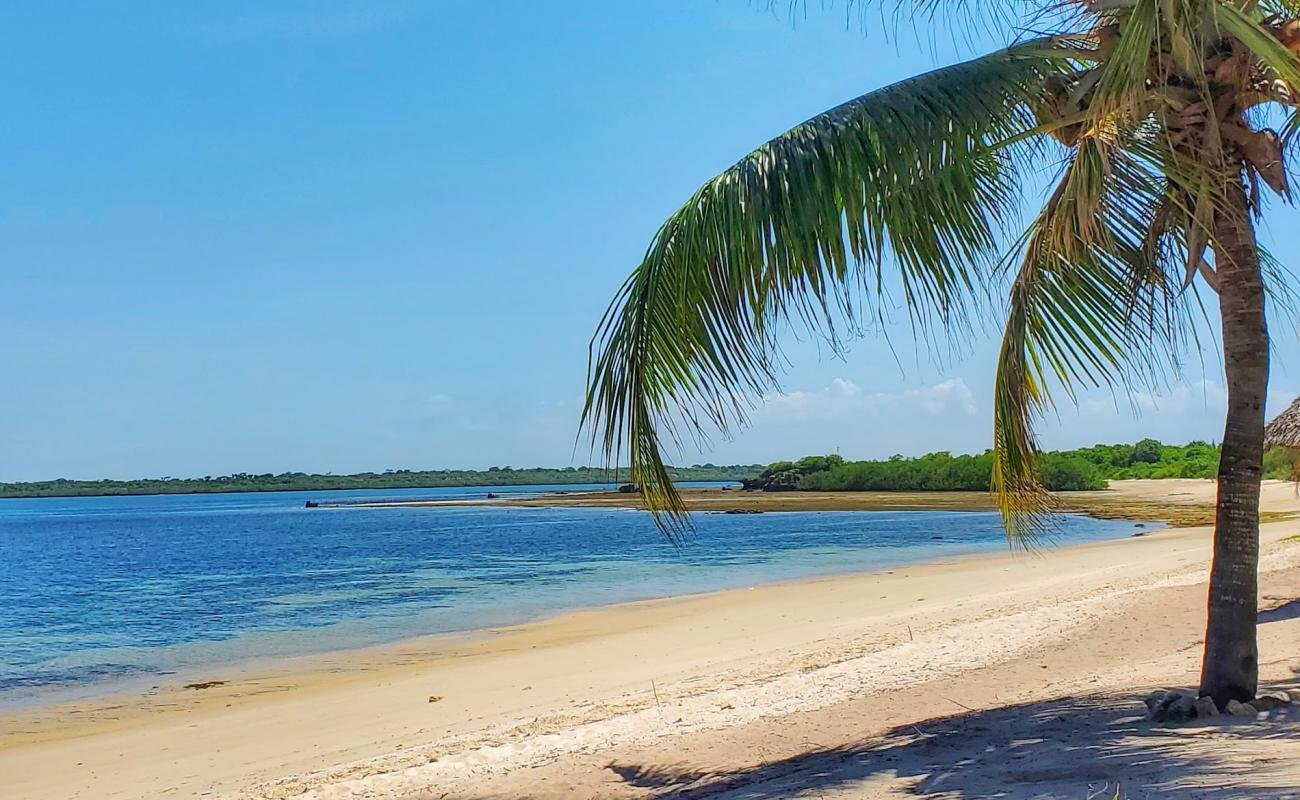
Relax on secluded beaches along Kilwa’s coast or on its islands, enjoying swimming, sunbathing, and the tranquil Indian Ocean scenery.
The best time to visit Kilwa District is during the dry seasons, when travel is easier, outdoor activities are more enjoyable, and the weather is ideal for exploring historical sites and islands.
June to October – This long dry season offers sunny skies, calm seas, and pleasant temperatures, making it perfect for island hopping, snorkeling, diving, and visiting Kilwa Kisiwani and Songo Mnara.
January to February – The short dry season is also ideal, with minimal rainfall and clear weather for hiking, cultural tours, and beach activities.
The rainy seasons—March to May (long rains) and November to December (short rains)—bring heavy showers that can make roads slippery and limit some outdoor activities. However, the landscape becomes lush and green, and marine activities may still be possible during breaks in the rain.
For a comfortable and memorable visit, planning your trip around the dry months is recommended.
Gallery
Related Destinations