
Amboni Caves
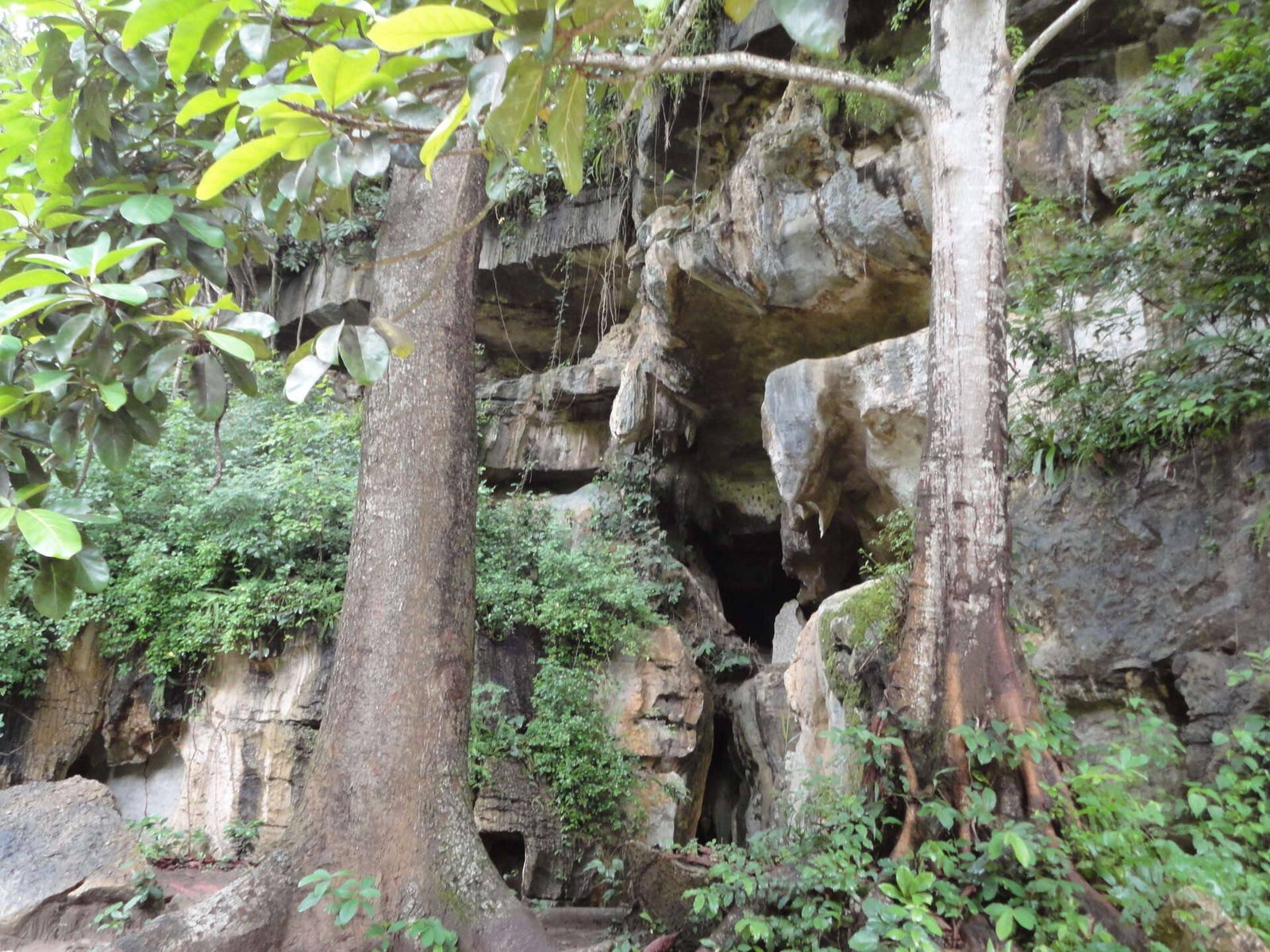
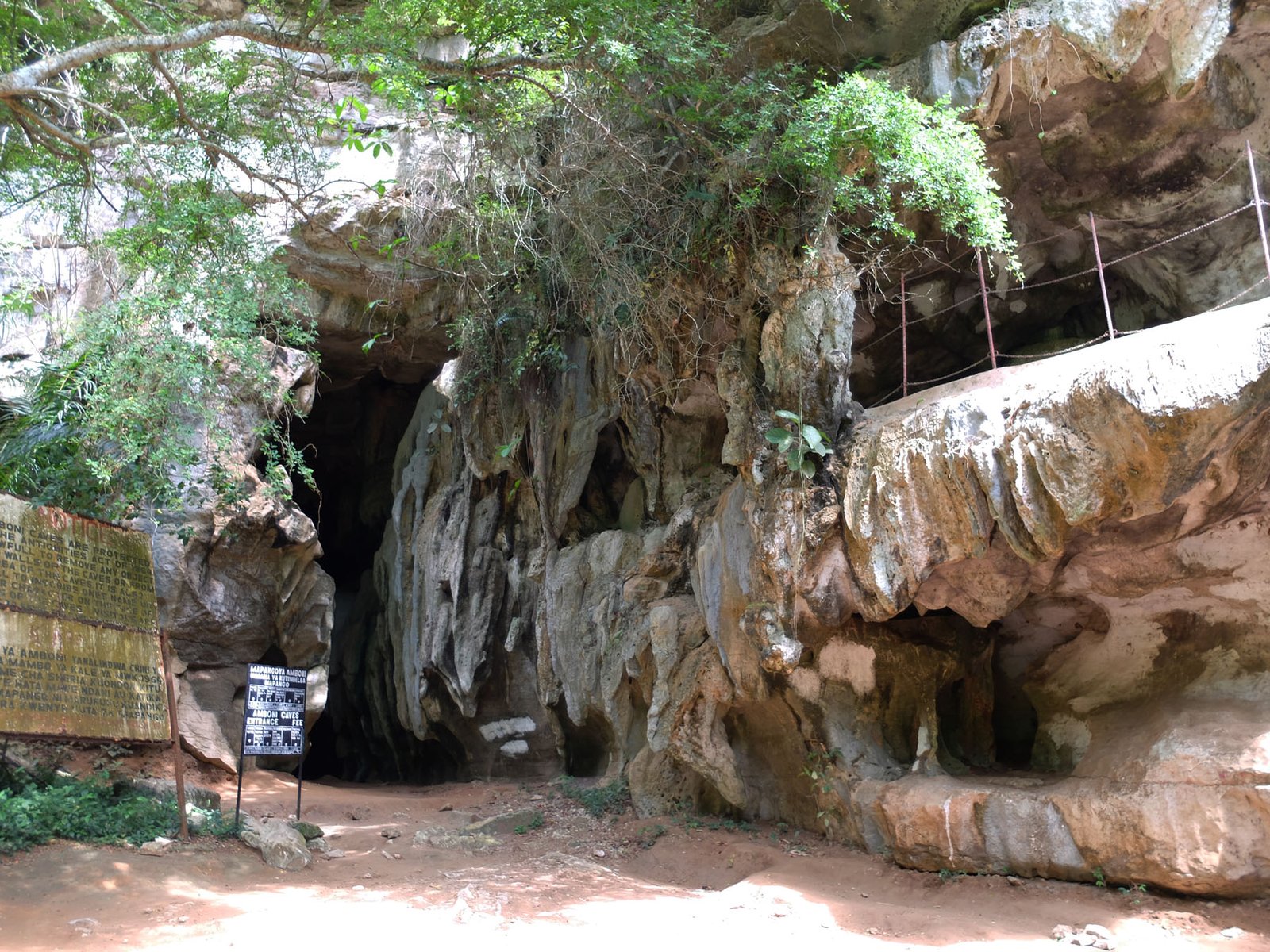
The Amboni Caves are the most extensive limestone cave system in East Africa and one of Tanzania’s most remarkable natural attractions. Located approximately 8 kilometers north of Tanga City in Kiomoni Village, just off the Tanga Mombasa road, the caves are easily accessible to visitors.
Geologically, the caves date back about 150 million years to the Jurassic period and cover an area of approximately 234 square kilometers. Research indicates that the region was submerged under water around 20 million years ago, contributing to the formation of these impressive underground structures. Early accounts even suggested that the cave system might extend for more than 200 kilometers. Today, ten caves are known, though only one is open to visitors through guided tours.
The caves are home to large colonies of bats and have long held spiritual and cultural significance for local communities. For generations, ethnic groups such as the Segeju, Sambaa, Bondei, and Digo have regarded the caves as sacred places for prayer and ritual practices. Local beliefs associate the caves with supernatural spirits known as “Mizimu,” believed to have inhabited the caves since their formation. Certain chambers are considered sacred, including one dedicated to “Mzimu wa Mabuvu,” where people seek healing, relief from suffering, or blessings such as fertility.
Historically, the caves came under formal protection in the early 20th century. In 1892, Amboni Limited then operating sisal plantations in the Tanga region acquired the land and informed the British colonial administration about the caves. In 1922, the caves were officially declared a conservation area. Following Tanzania’s independence, the caves were handed over to the Department of Antiquities in 1963, which continues to oversee their management under the Ministry of Natural Resources and Tourism.
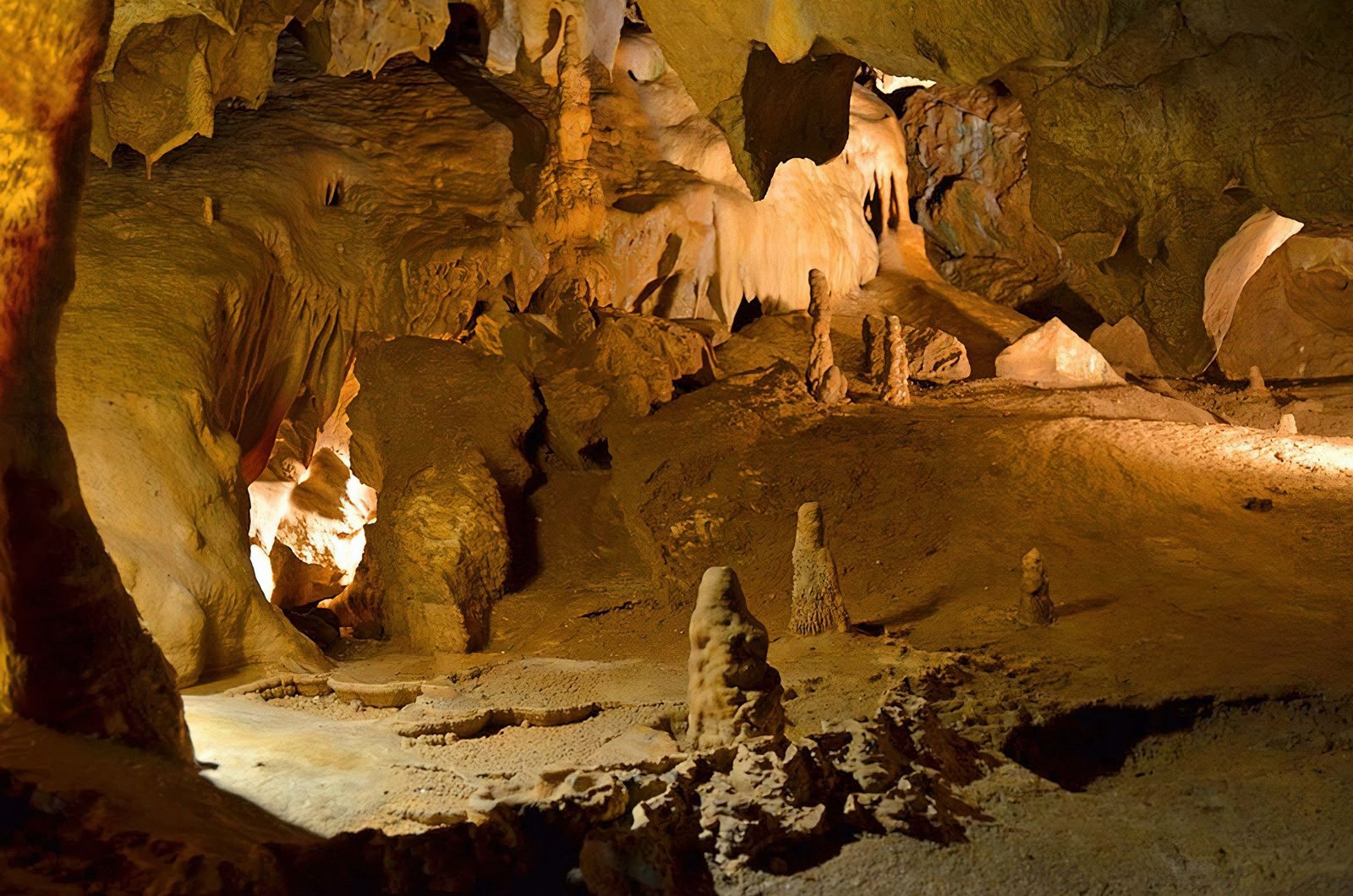
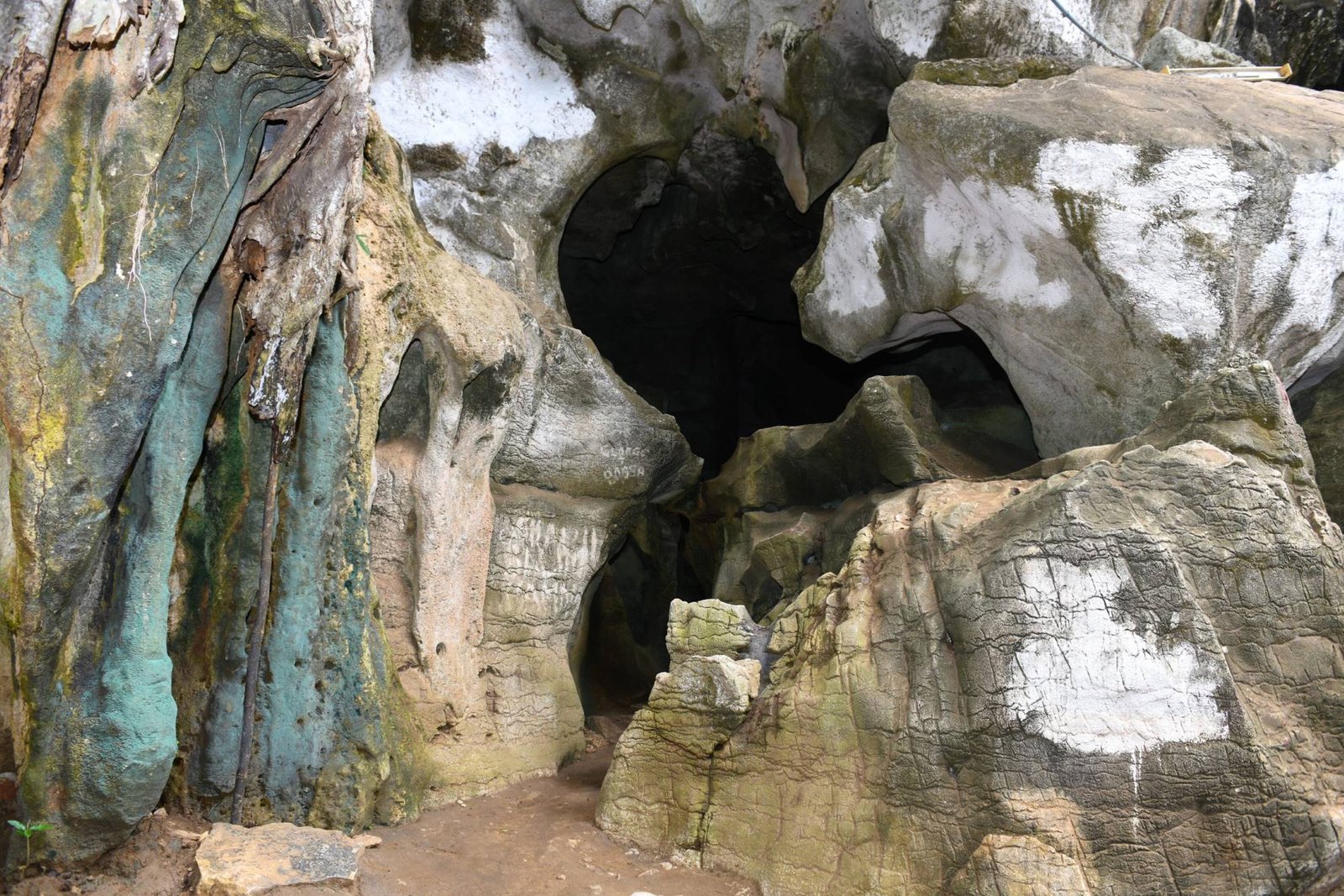
Scientifically, the Amboni Caves were formed through limestone erosion. According to Mturi (1975), several theories explain their formation. One is the vadose process, whereby rainwater absorbs carbon dioxide to form weak carbonic acid, which dissolves limestone over time, creating cavities and tunnels. Another theory is the phreatic process, where erosion occurs below the water table as acidic groundwater dissolves calcium carbonate before becoming fully saturated.
Today, the Amboni Caves are among the most popular attractions in the Tanga region, featuring vast underground chambers, narrow passages, and dramatic limestone formations. Nearly all accessible sections can be explored on guided tours. Visitors are advised to wear comfortable walking shoes and carry small, pocket-sized cameras, as some sections involve tight squeezes. Larger bags and equipment must be left behind at designated points before entering narrow passages.
Walking through the caves offers a unique blend of natural wonder, cultural heritage, and spiritual atmosphere, making a visit to the Amboni Caves a truly memorable experience.
The Amboni Caves can be visited throughout the year, as they are not affected by seasonal wildlife movements. However, the best time to visit is during the dry seasons, from June to October and January to February, when access roads and walking paths are drier and easier to navigate.
During the rainy seasons March to May (long rains) and November to December (short rains) the caves remain open, but surrounding areas may become muddy and slippery, making movement slightly more challenging. That said, the caves maintain a cool, stable temperature year-round, offering a refreshing experience even during hotter months.
For the most comfortable and enjoyable visit, early morning or late afternoon tours are recommended, allowing visitors to explore the caves at a relaxed pace and combine the visit with other attractions around Tanga.
Gallery
Related Destinations