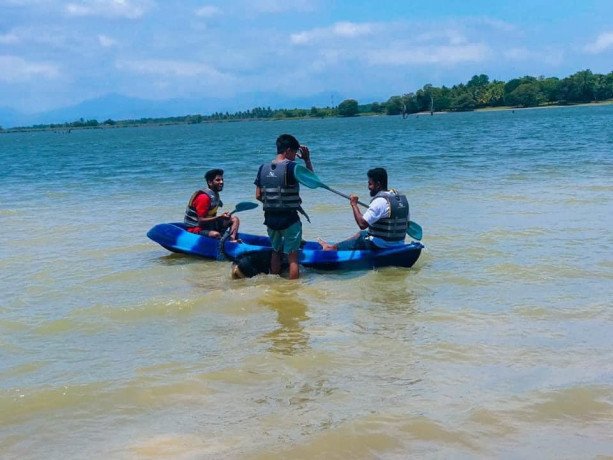

Lake Tanganyika
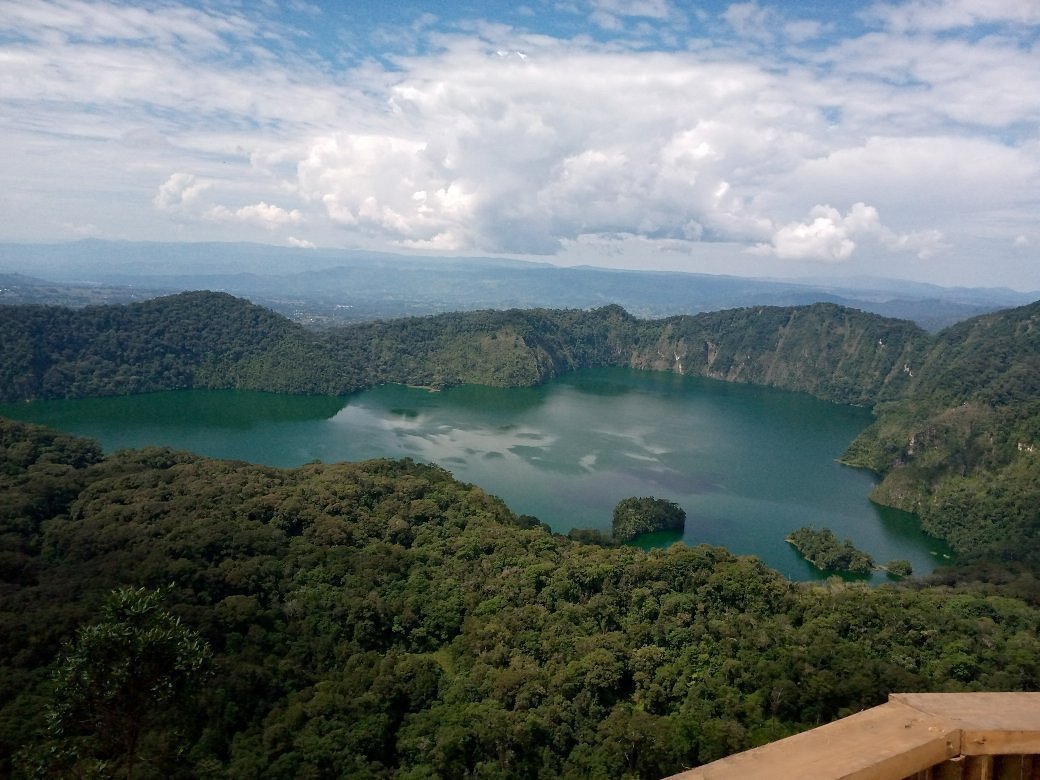
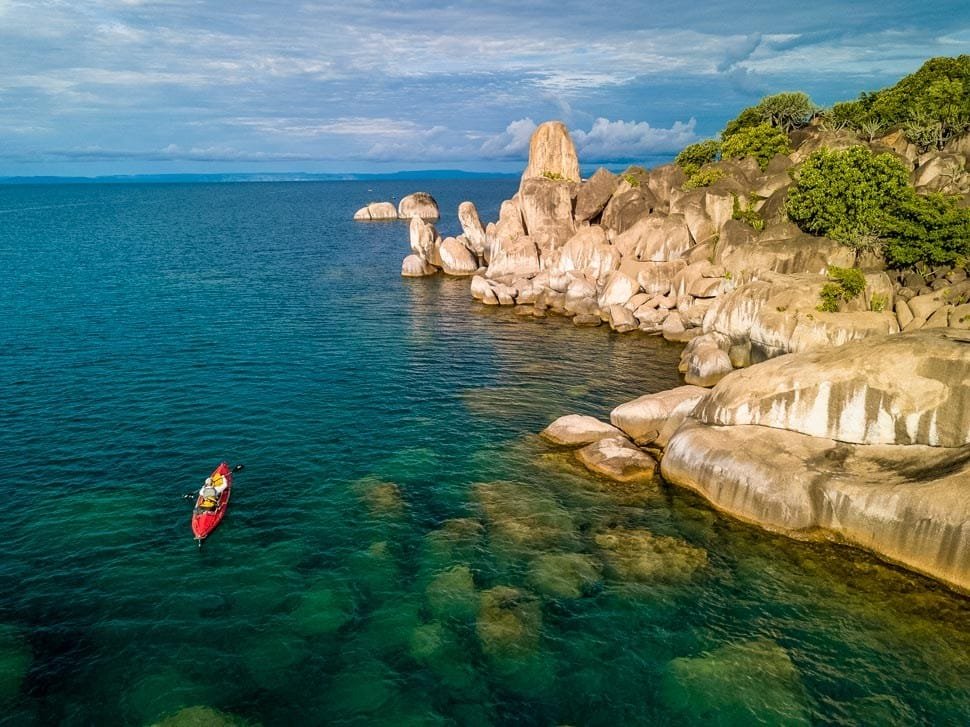
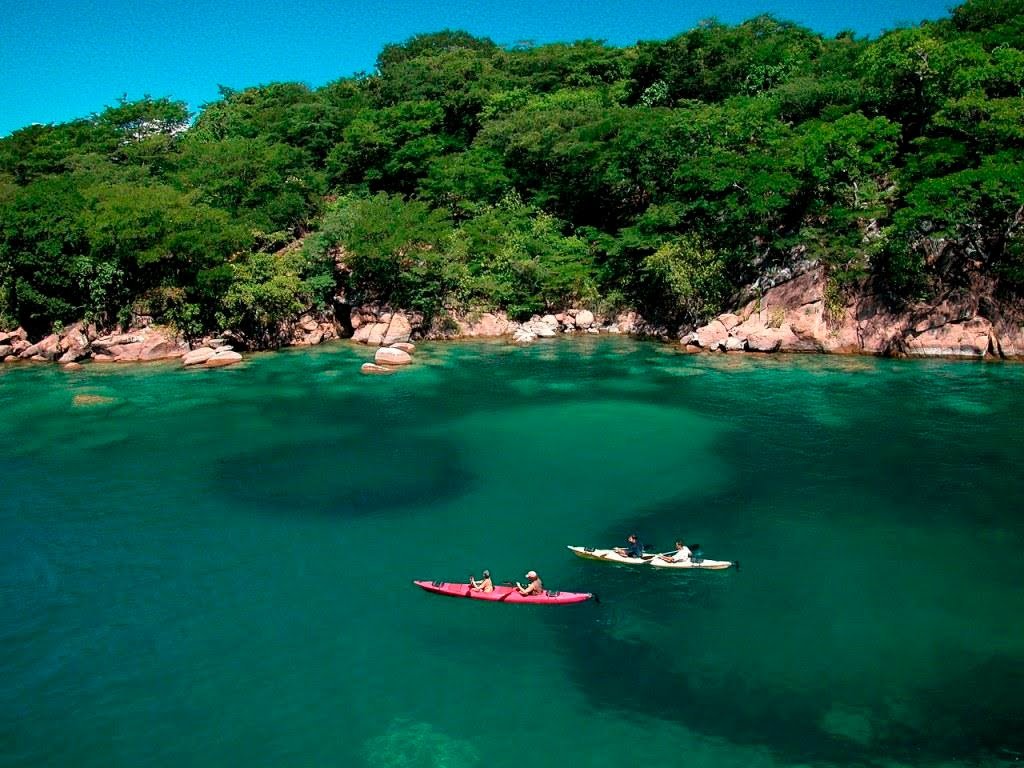
Lake Tanganyika is the world’s longest (660km), deepest in Africa and second-deepest in the world (more than 1436m) and second-largest (by volume) freshwater lake. At somewhere between nine and 13 million years old, it’s also one of the oldest. Thanks to its age and ecological isolation it’s home to an exceptional number of endemic fish, including 98% of the 250-plus species of cichlids. Cichlids are popular aquarium fish due to their bright colours, and they make Tanganyika an outstanding snorkelling and diving destination.
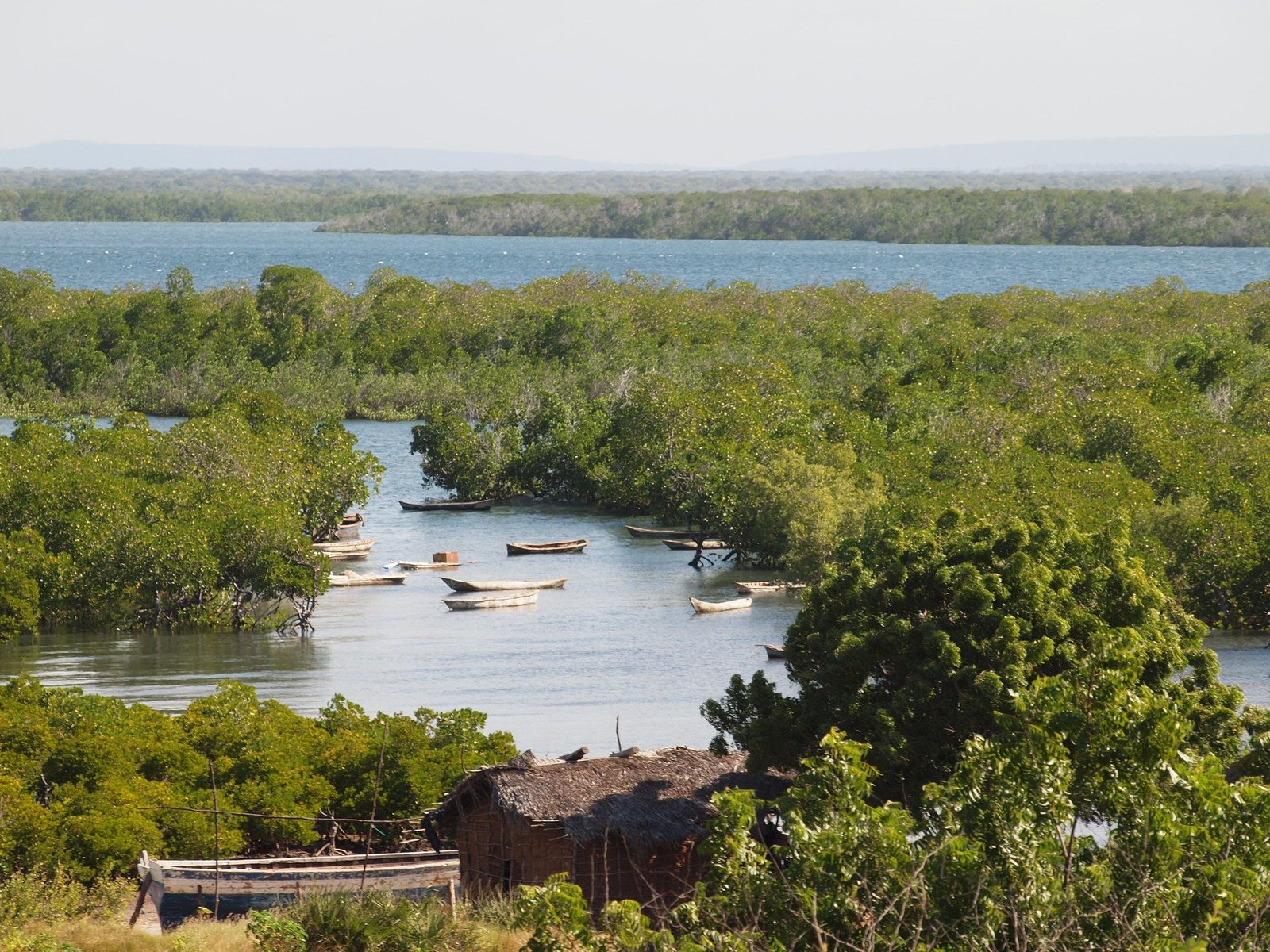
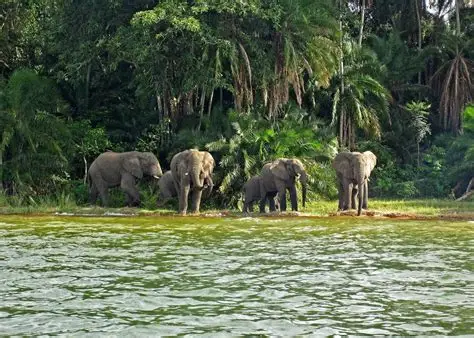
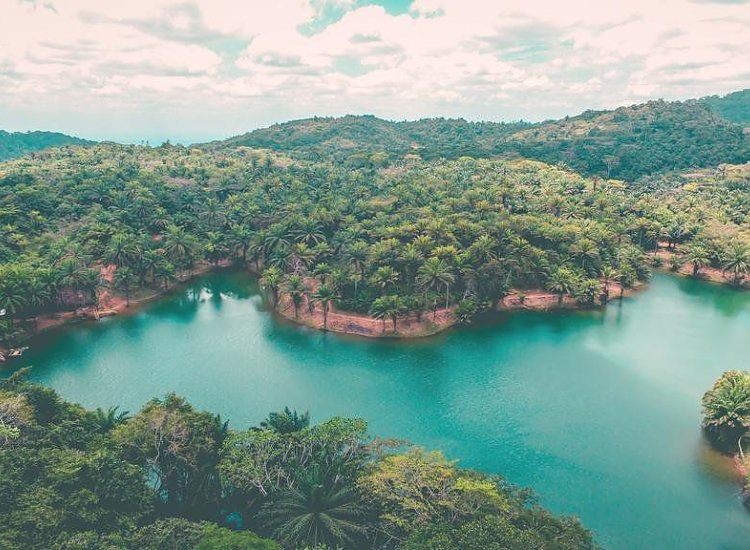
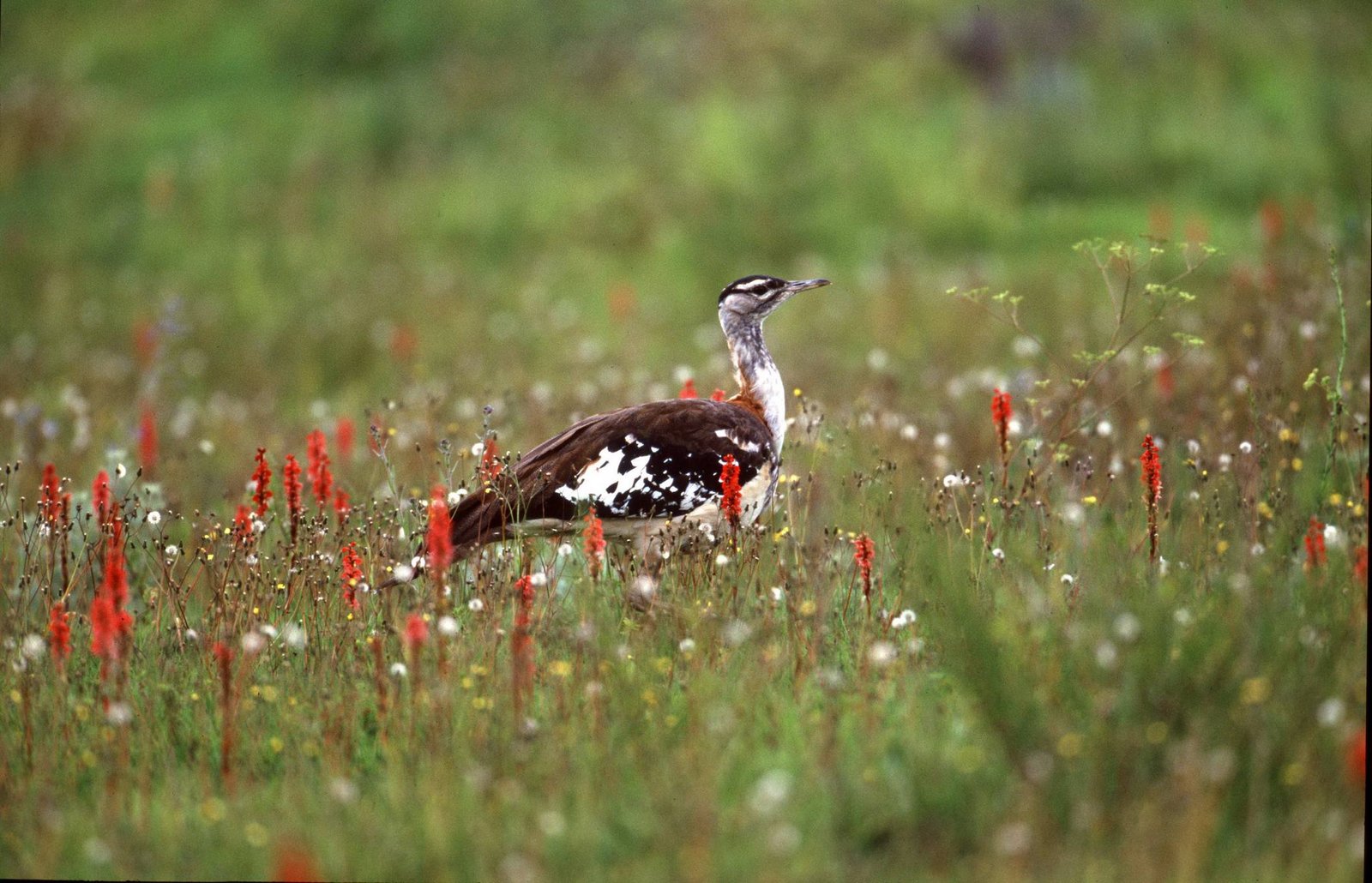
Lake Tanganyika is situated on the line dividing the floral regions of eastern and western Africa, and oil palms, which are characteristic of the flora of western Africa, grow along the lake’s shores. Rice and subsistence crops are grown along the shores, and fishing is of some significance. Hippopotamuses and crocodiles abound, and the bird life is varied.
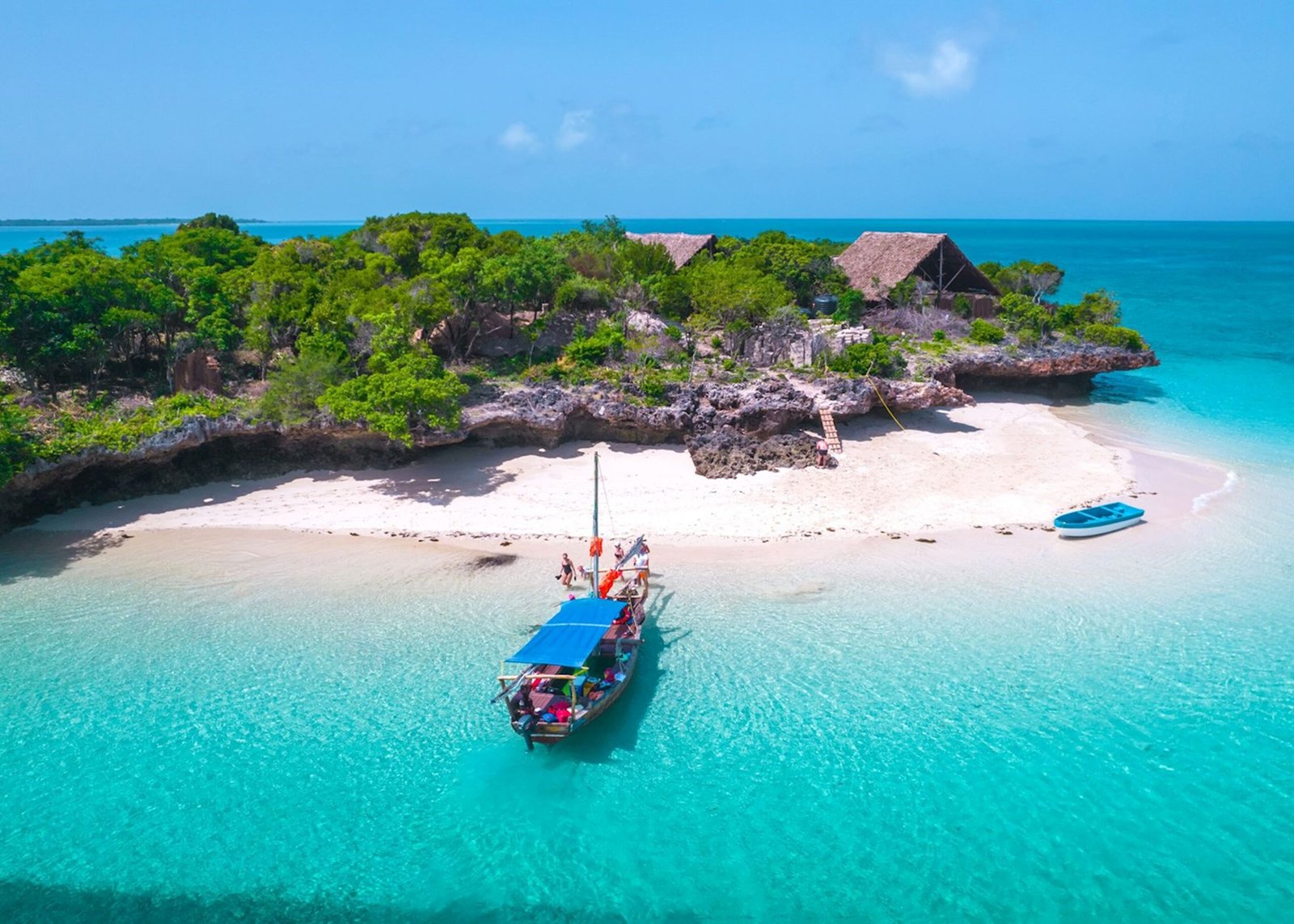
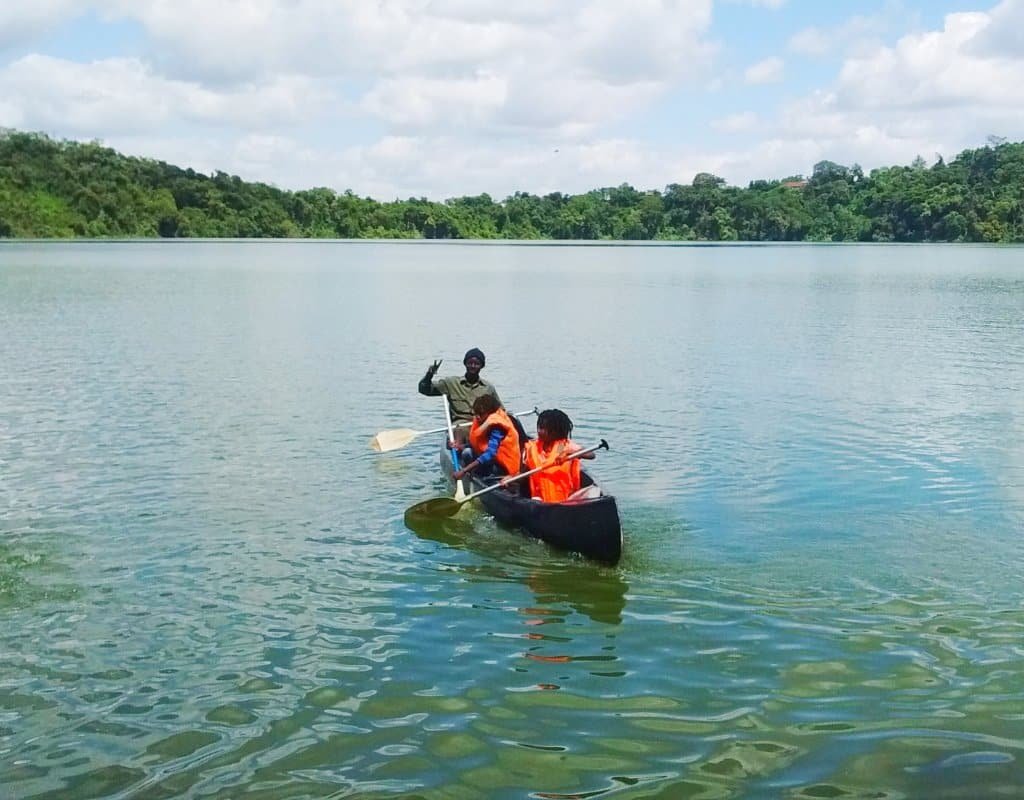
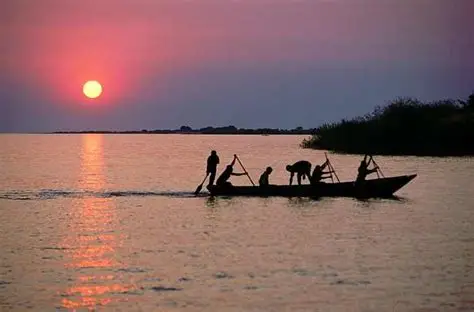
Boat Cruises – Enjoy scenic cruises across the lake’s turquoise waters, taking in panoramic views of the shoreline, nearby villages, and sunsets over the horizon.
Fishing Trips – Join local fishermen or take guided excursions to catch freshwater species unique to the lake, including tilapia and Nile perch.
Snorkeling And Diving – Explore the lake’s clear waters and discover its diverse aquatic life, including endemic cichlid fish species.
Swimming – Relax and swim in designated safe areas along the sandy beaches.
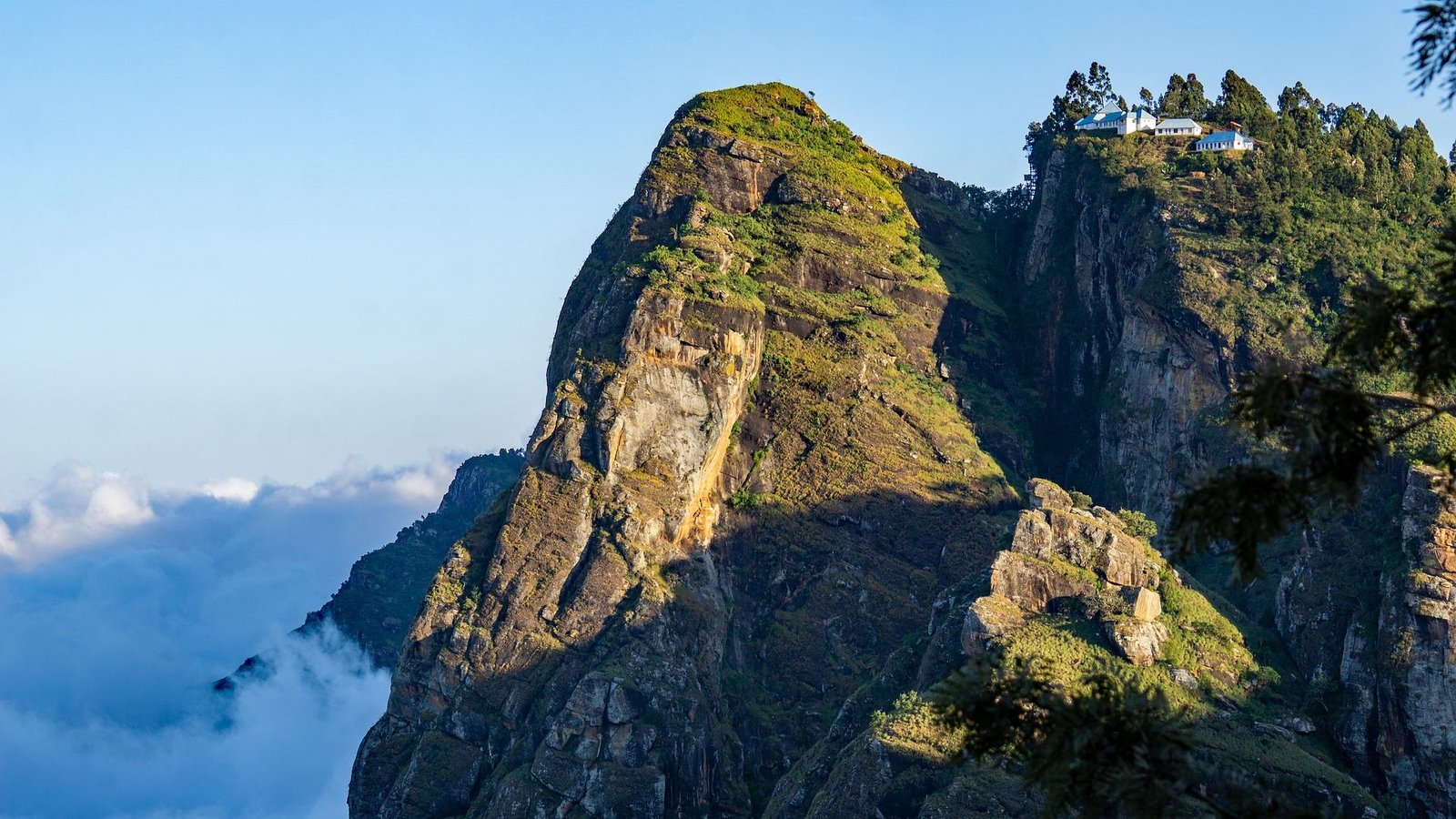
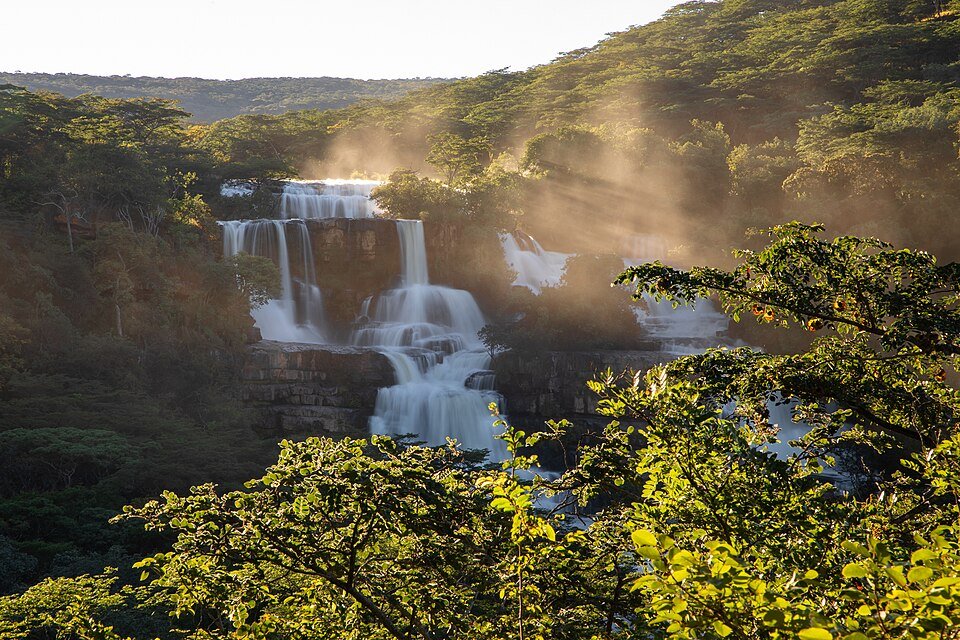
Hiking And Nature Walks – Explore nearby forested hills, trails, and riversides, enjoying birdwatching and the lake’s scenic landscapes.
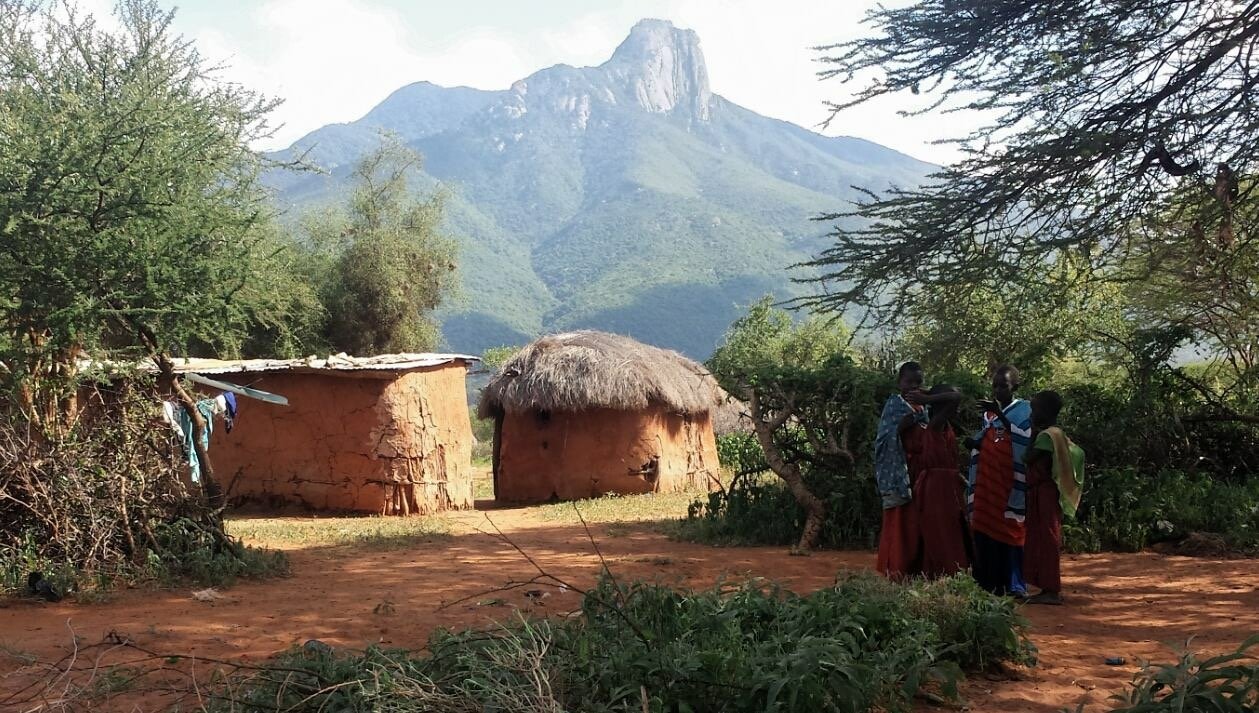
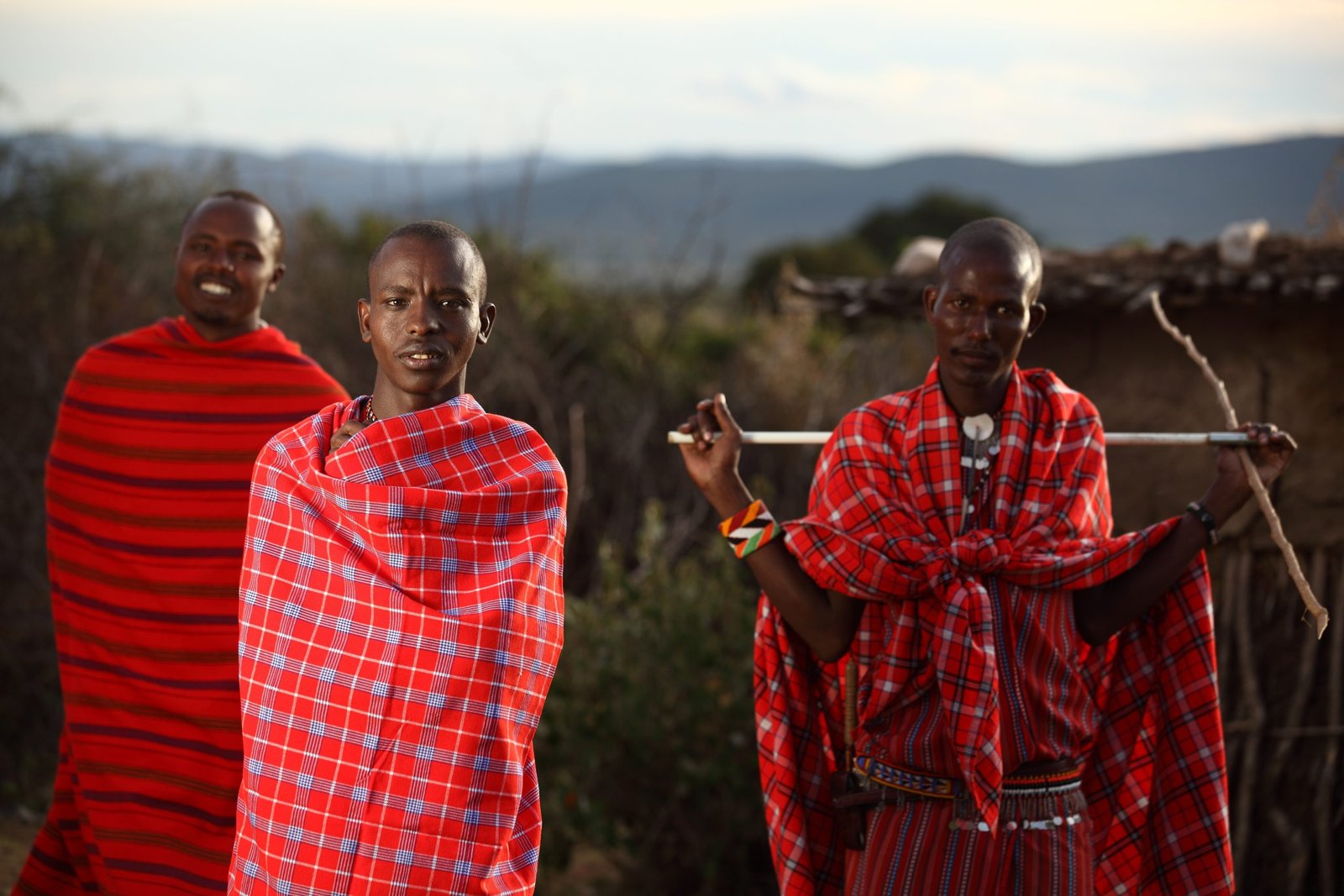
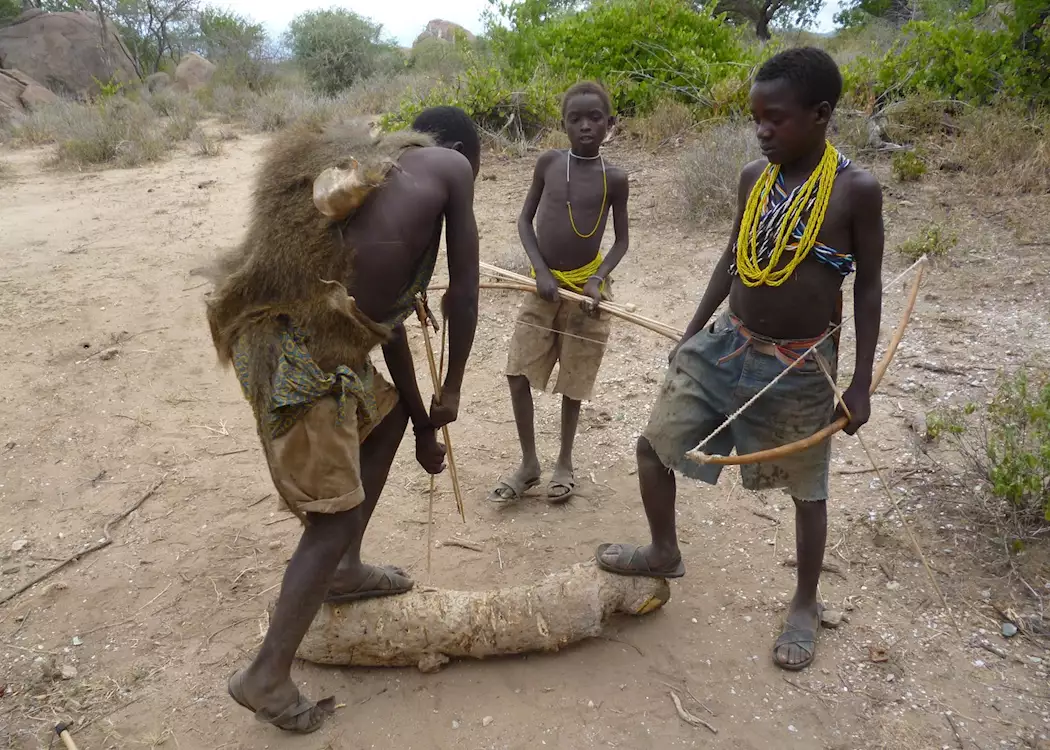
Cultural Visits – Visit lakeside villages to learn about traditional fishing practices, local crafts, and the lifestyle of communities living along the lake.
Relaxation And Sunbathing – Spend quiet time on pristine beaches, enjoying the tranquility and stunning sunsets.
The best time to visit Lake Tanganyika is during the dry season, from June to October, when the weather is sunny, the water is calm, and outdoor activities like boating, snorkeling, and hiking are most enjoyable.
The green season (November to May) brings occasional rains, which can make some trails slippery and boat trips less predictable, but the landscape becomes lush and vibrant, ideal for photography and enjoying the lake’s natural beauty. For optimal conditions and a wide range of activities, the dry months are recommended.
Gallery
Related Destinations